Capture & 3D

4D Gaussian Splatting

Capture the whole performance. Choose the camera moves afterwards.

Our Argus cinema cameras record a moving performance as one synchronised grid, placed to cover the area your camera will move through. Every frame becomes its own 3D scene, so the camera can travel through the action, pause time and start it again, all decided in the edit.

Every frame
of the performance becomes a 3D scene
Pause time
hold, slow down and restart the action
Choose later
set your camera moves in post-production
Worldwide
UK-based, shooting in studios and on location
On the day and after

How a 4D Gaussian Splatting shoot works

01

We build the rig around the action

You tell us roughly where the camera should travel. We arrange our Argus cinema cameras as a grid facing the area your performer will use, in a studio or on location.

02

You direct the performance

Every camera records video at the same time, so the whole performance is captured and not only a single instant. On set we build a quick 3D test from one frame, so you know the capture is good before you move on.

03

We build a 3D scene for every frame

Each frame of the take is reconstructed in 3D: the performer, the set and the light as it was. Played in order, they become a moving 3D scene. A rough 4D draft can be ready on set in about 10 minutes. It is a low-resolution check of the movement, and the finished scene is built after the shoot.

04

You choose the camera moves

The camera path is plotted with the director after the wrap and re-plotted as many times as the edit needs. Nobody has to reshoot.

Why productions use it

What a captured performance lets you do

Move freely, pause time

The camera is virtual. Within the area we covered it can travel wherever the shot needs, stop time completely, hold, and start it again.

Go where a real camera cannot

Inside the action, through gaps, centimetres from the subject, with no rig in shot and nothing to paint out.

Slow motion past the frame rate

Because the motion is reconstructed in 3D, it can be slowed between recorded frames and still play smoothly.

Relight, edit and merge

The scene can be lit again afterwards, edited, and combined with other captures, so the final look is not locked on the day.

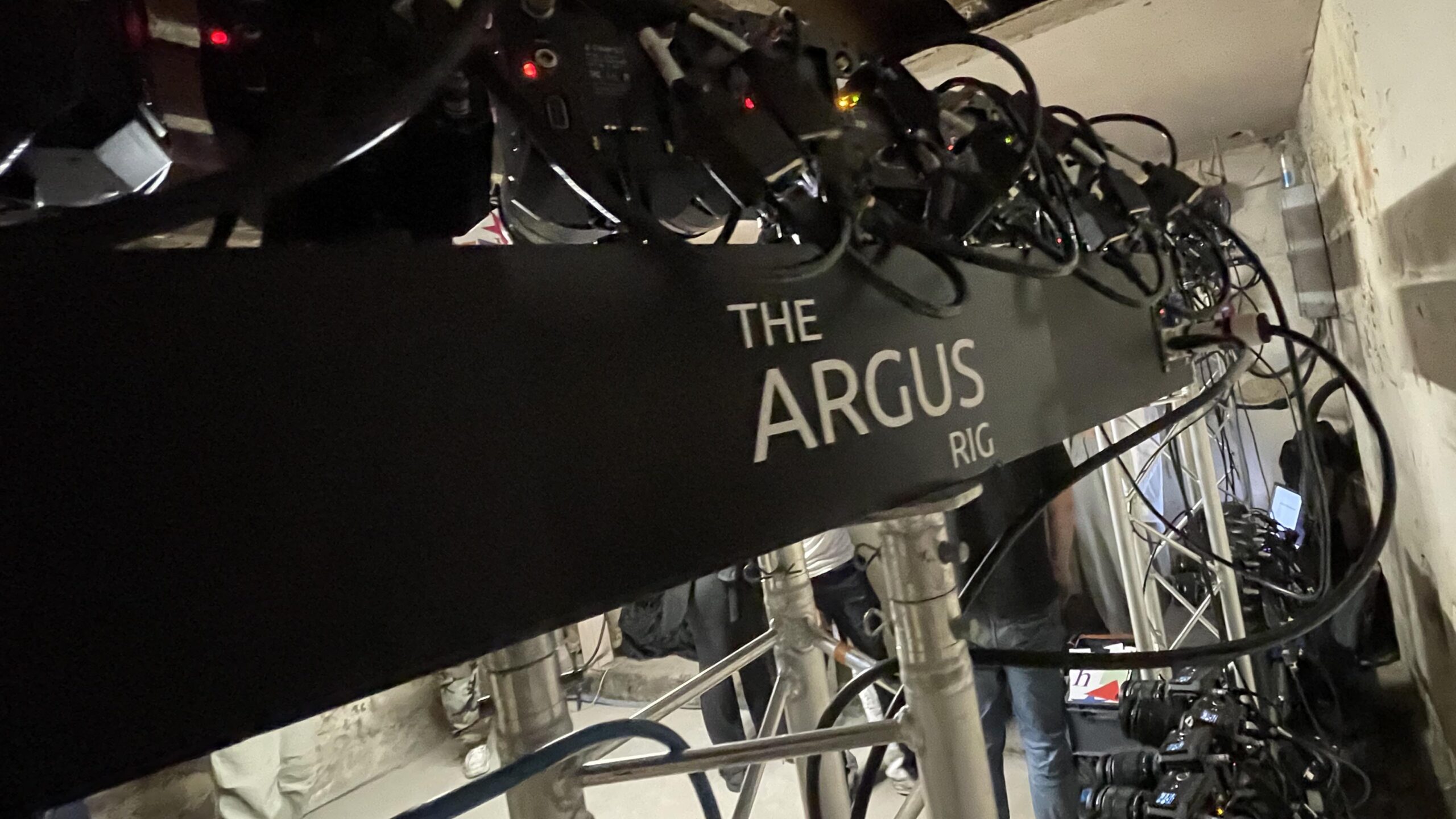
The Argus camera rig on the Tinie Tempah Closer shoot
Live events

4D almost in real time, for live sport

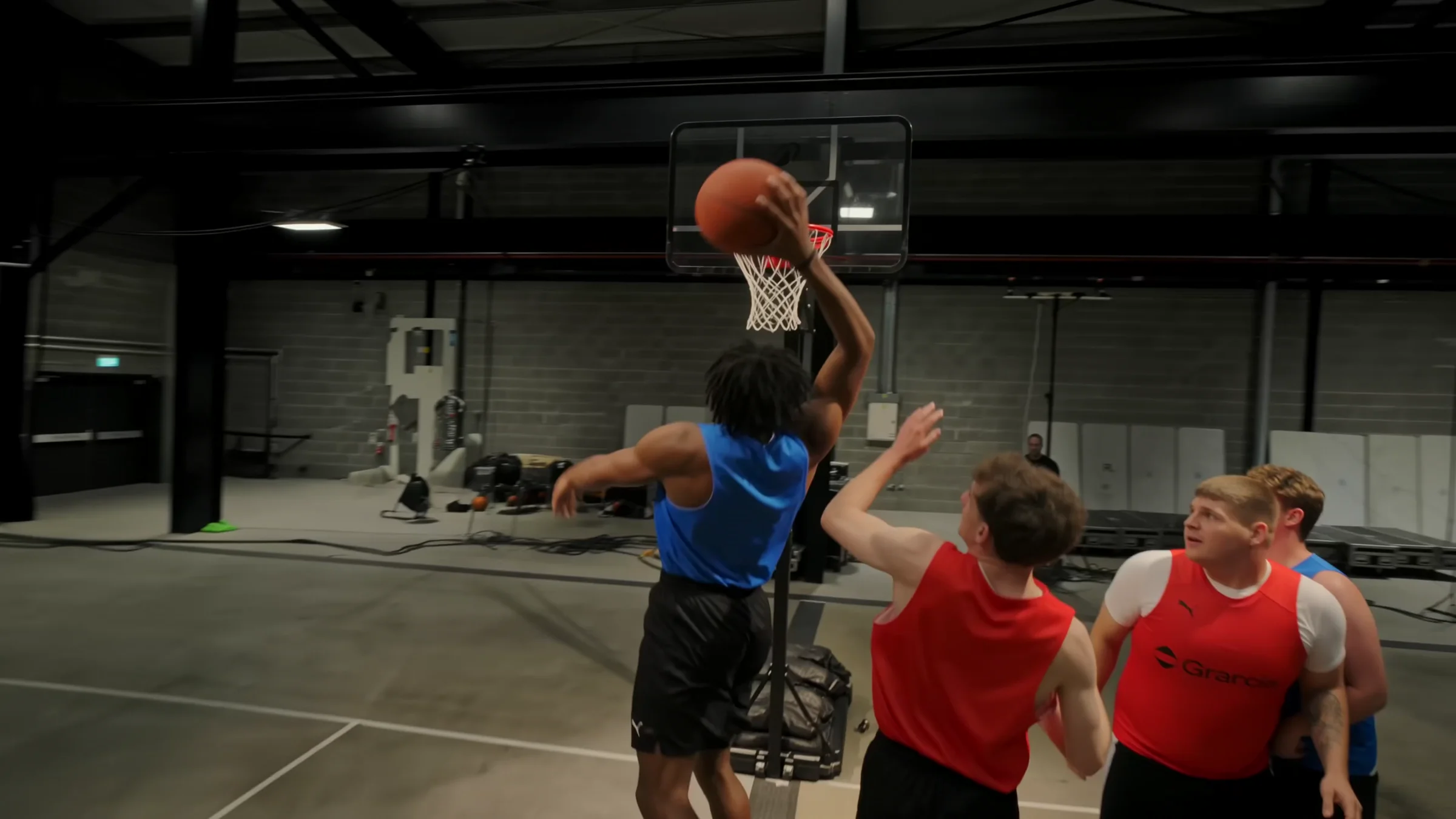
With Gracia we have been building a version of 4D Gaussian Splatting for sport and other live events. The play is reconstructed in 3D almost as it happens, and the system calculates a camera flight through it, with a frozen moment at the point that matters. These clips are from a basketball game captured on 16 Argus cameras, in pairs on eight lighting stands round the court.

Down the court through the drive and up to the rim
From the defence to behind the backboard as the shot goes up
Read the Gracia live sport case study
Which one do I need?

4D Gaussian Splatting compared with bullet time and 3D

If you are not sure, tell us the idea and we will suggest the right one.

TechniqueSubjectCamera moveGood for
Bullet timeFrozen or slowedFollows the line of the rig, set on the dayThe classic frozen-moment sweep, live events
3D Gaussian SplattingOne frozen instantFree within the area covered, chosen after the shootAdverts, hero moments, products, sets
4D Gaussian SplattingA moving performanceFree within the area covered, chosen after the shootMusic videos, dance, sport
Recent work

4D Gaussian Splatting examples

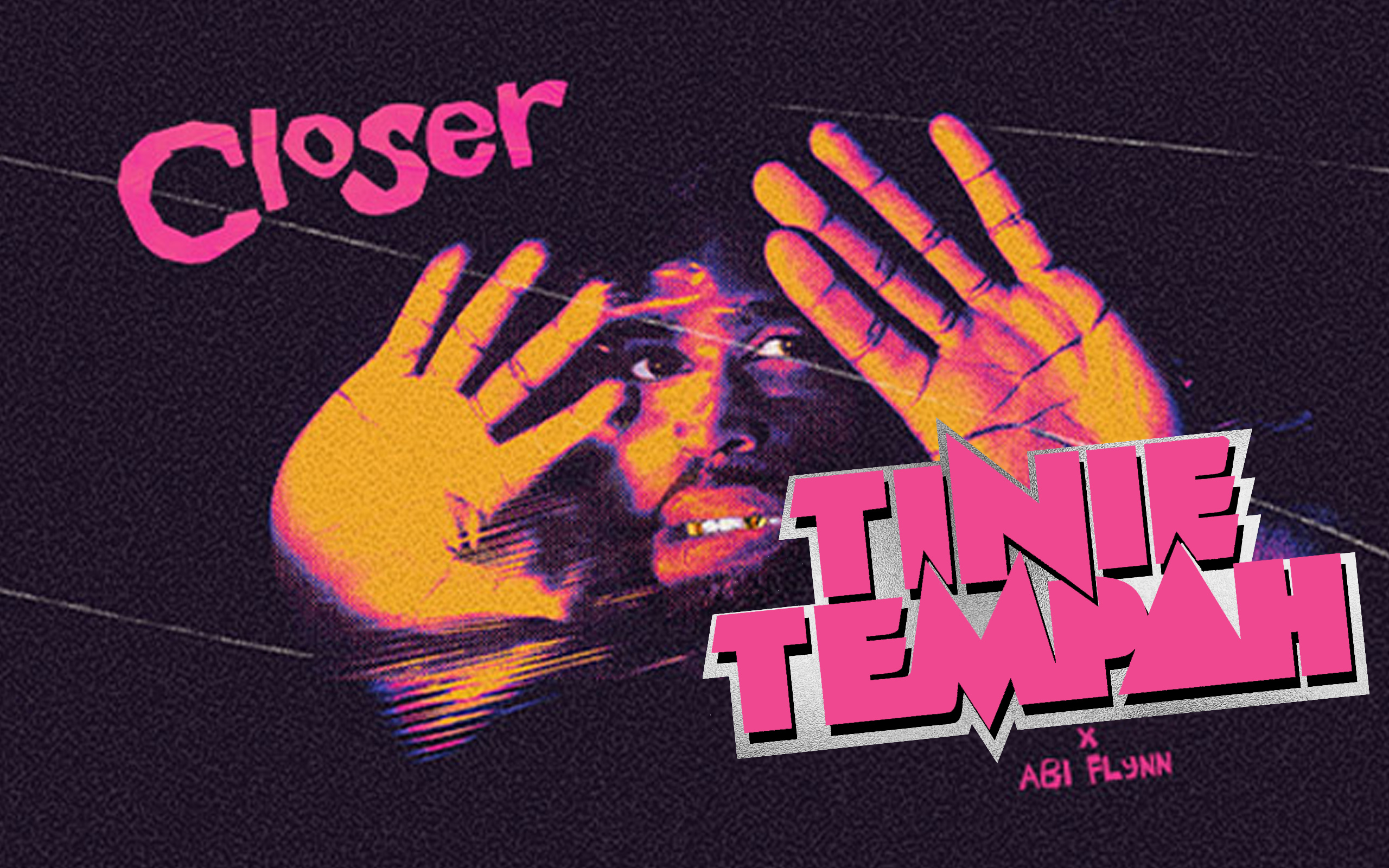
Tinie Tempah Closer artwork
Music video / 40 cameras / 4D

Tinie Tempah "Closer"

The performance was captured as a moving 3D scene, so the director picked the exact frames and camera moves days later in the edit. The camera travels through the action, holds time and moves on again.

Read the Tinie Tempah case study
Basketball player at the rim in a 4D Gaussian Splatting scene
Live sport / 16 cameras / with Gracia

Live basketball

A basketball game captured on 16 Argus cameras and reconstructed in 4D almost in real time. The camera flights through the play were calculated by the system, not plotted by hand.

Read the Gracia case study
4D capture / release coming soon

New project, released soon

A 4D shoot we cannot name until the film is released. Behind-the-scenes pictures for now, with the full case study to follow.

Case study coming soon
Live sport / with Gracia

Live volleyball

Captured in the same session as the basketball and reconstructed in 4D in the same way, with the camera flying through the rally.

More 3D capture work

Topps Cards
3D capture / 60 cameras

Topps Cards

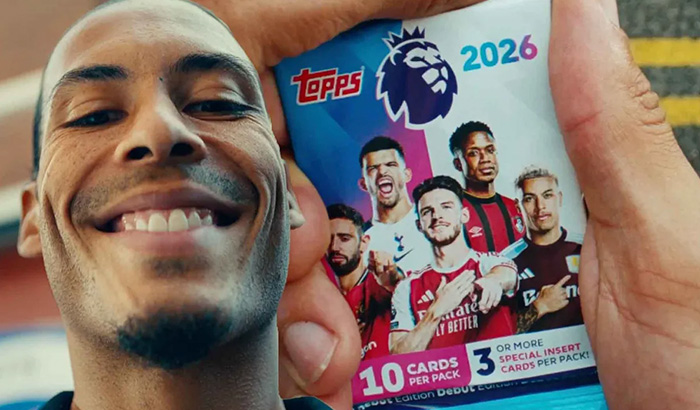
A footballer frozen in mid-air for a trading card advert, with the camera move chosen afterwards.

Read the Topps case study
Foot Locker
3D capture / 120 cameras

Foot Locker

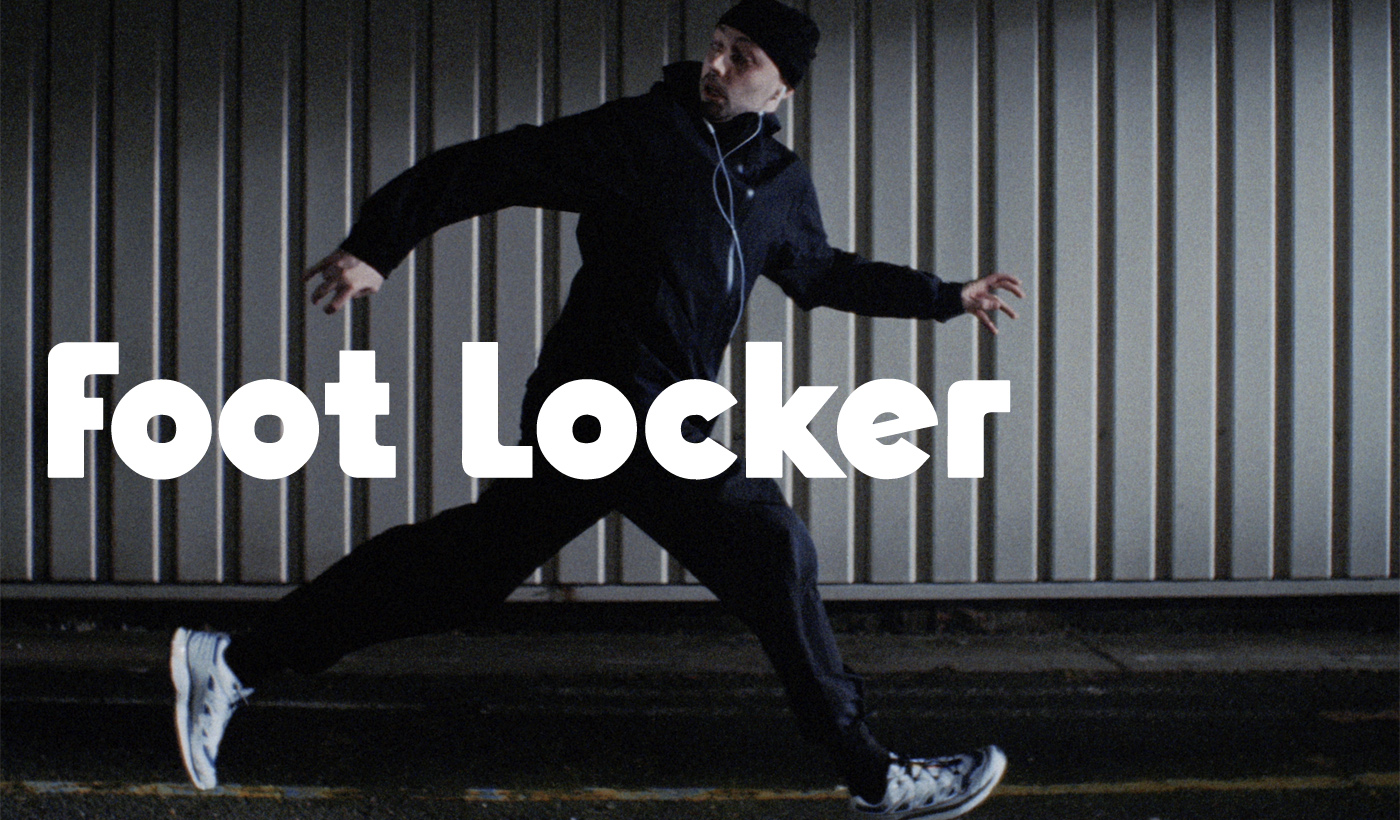
Four captures from two locations, shot hours apart, merged into one scene the camera moves through without a cut.

Read the Foot Locker case study
Son Heung-min
Pepsi Max / UEFA Champions League

Son Heung-min

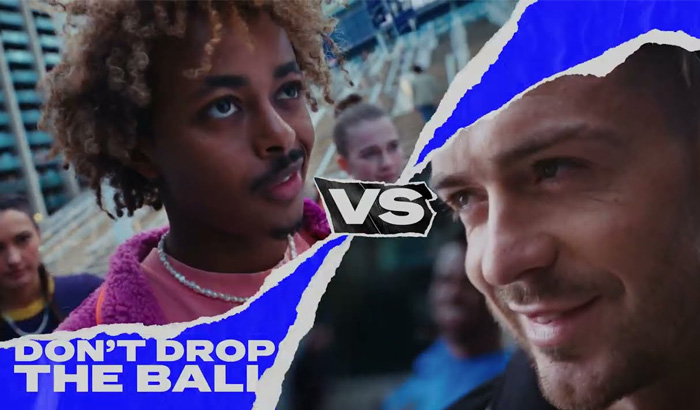
A 60-camera DSLR rig and a 24-camera Argus rig side by side. 3D scenes and bullet-time shots were built on set as the day went on.

Read the Pepsi case study
Try it

Move around a real captured scene

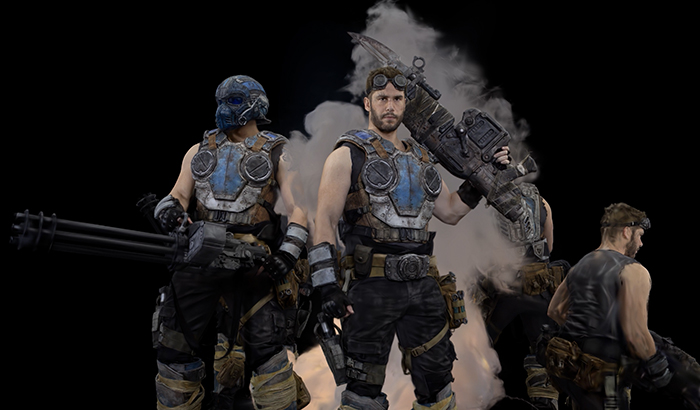
Drag with your mouse or finger. This is one captured moment. In 4D, every frame of the performance is a scene like this one.

Captured 3D scene of three costumed performers in smoke
Deliverables

What you get back

Finished shots

Full-resolution movies along the camera paths you choose, in the format your edit needs.

The 4D scene itself

Scenes export for Unity and Blender, so a captured performance drops straight into game engines, real-time projects and 3D pipelines.

Everything else from the same take

The Argus rig records video, so the same shoot can also give you bullet time, slow motion and frozen 3D scenes.

Questions producers ask

4D Gaussian Splatting FAQ

Do we need to understand the technology?

No. You direct the performance as you would any other shot. We look after the rig, the capture and the 3D work, and you choose camera moves from what you can see.

How is 4D different from 3D Gaussian Splatting?

3D captures one frozen instant. 4D captures the whole performance as it moves, so every frame becomes a 3D scene. The setup on the day is almost identical. The cameras record a run of frames, not just one. See 3D Gaussian Splatting.

Which camera rig do you use?

Our Argus rig, an array of synchronised cinema cameras that records video. Compare the rigs.

Can the camera go all the way round?

Yes, with cameras that surround the performance. If the shot only needs one side, we place cameras only where your camera will travel, which keeps the rig smaller.

How much space do you need?

About the same as a camera dolly on a track. The rig sits along the path your camera would travel and is a little narrower than standard track, so if you could lay track there, the rig will usually fit. The setup is almost the same as for 3D capture.

Can you slow the action down?

Yes. Because the motion is reconstructed in 3D, it can be slowed between recorded frames, or stopped completely, and still play smoothly.

How soon do we see results?

On set we first build a 3D test from a single frame, with a draft in about five minutes and a full-resolution version in about 20. A rough 4D draft takes about 10 minutes and is a low-resolution check only. The finished 4D scene is built after the shoot.

Can it be used at live events?

Yes. With Gracia we have a version for sport and live events that builds the 4D scene almost as it happens.

Studio or location?

Either. We are based in the UK and work worldwide.

What affects the price?

Mainly the number of cameras, the location and travel, the number of shoot days, the length of the takes, and how many finished shots you need.

What should we send for a quote?

The idea or a reference, a rough idea of the camera move, the shoot date and location, and where the film will be shown. A treatment helps but is not needed.
Book a demo capture

Bring your talent. We will run a test session and show you what the shoot can give you.

Get a Quote