Live sport in 4D Gaussian Splatting, with Gracia
Gracia
↗
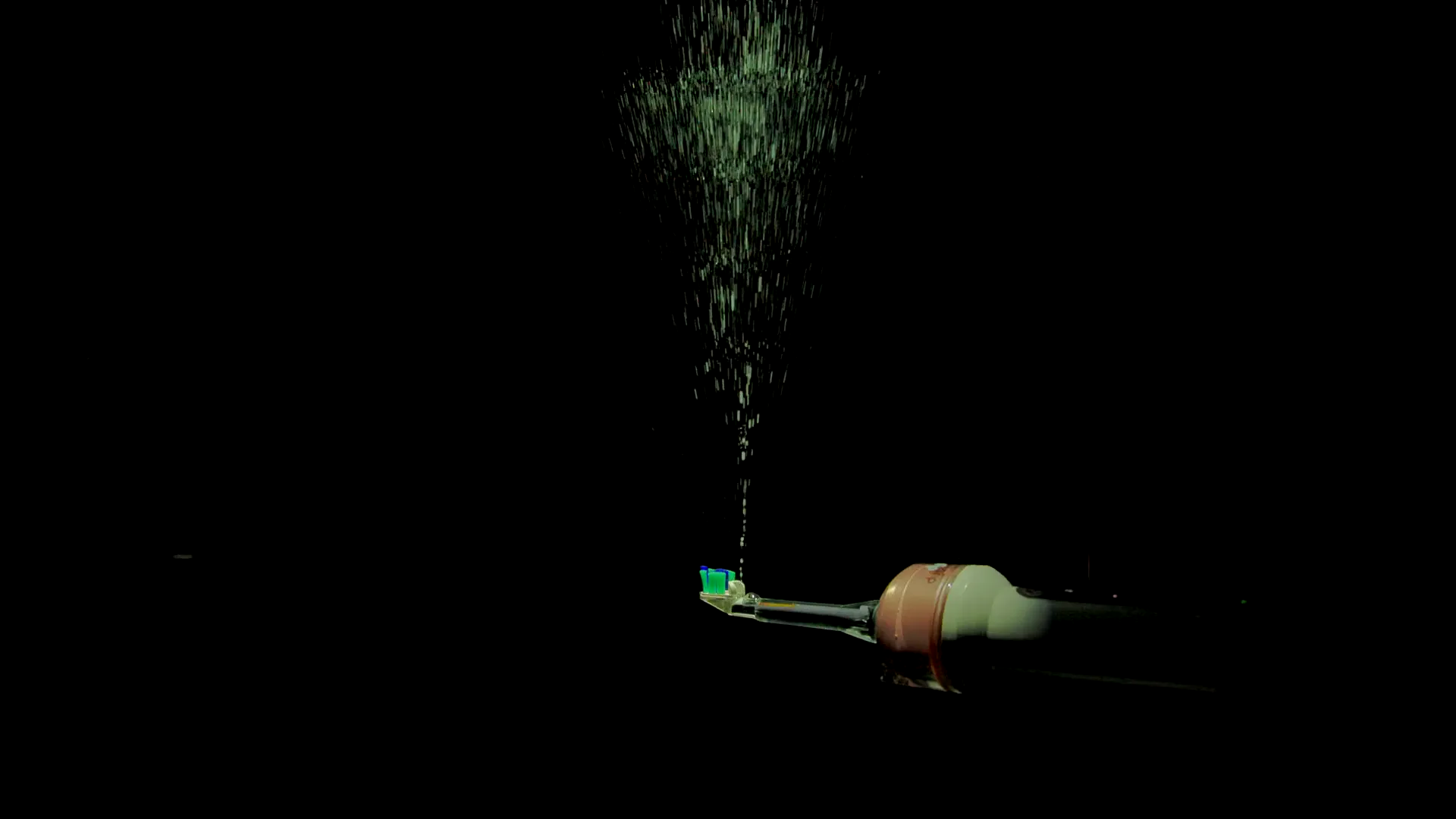
The jet frozen in mid-air at 240 frames a second.
Dyson
Bullet time for the Dyson CameraJet launch campaign, across two shoots in spring and summer 2026.
Dyson asked us to show the power of the jet in the Dyson CameraJet in a way a single camera couldn’t. Across two shoots in spring and summer 2026 we used our Argus rig and our DSLR rig to freeze the jet in mid-air, follow it out of the brush head at close range, and capture people using the product with light trails drawn by the brush itself.
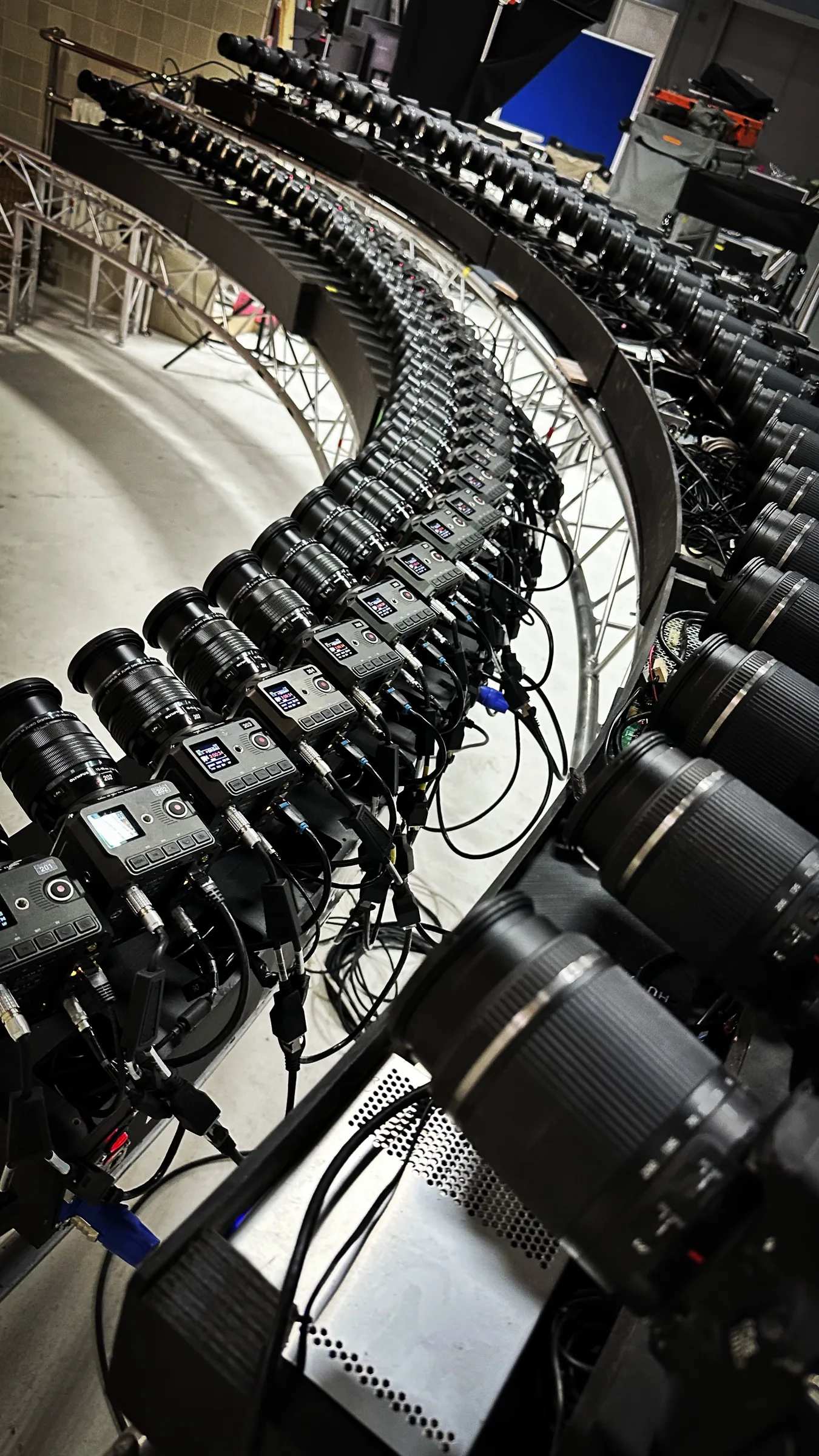
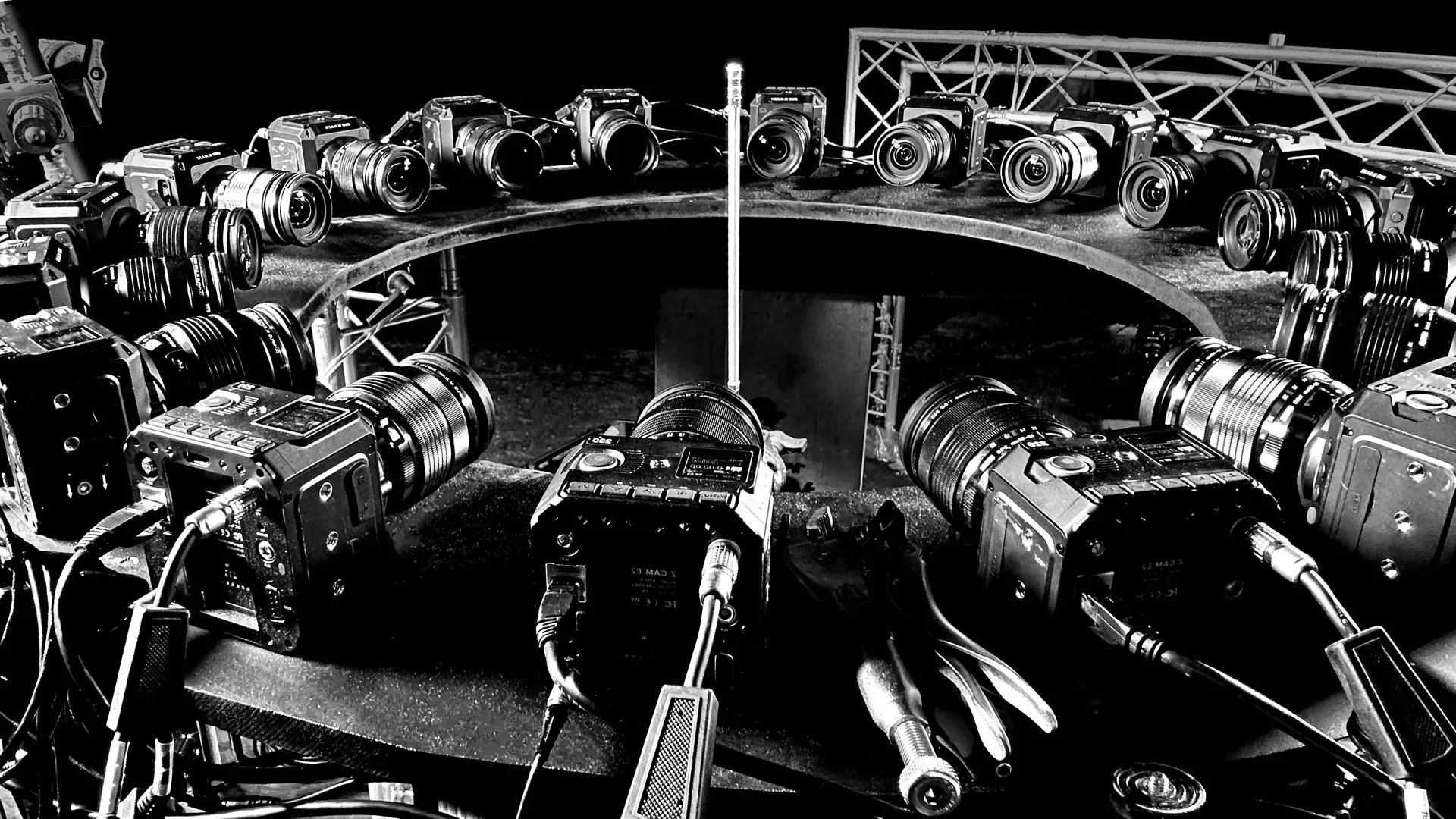
For the first set-up we built the Argus rig as a 120 degree arc of a 5.5 m circle, with 32 cameras. This let us capture the water jet in the air and move around it in a single frozen moment.
Later the same day we took the rig apart and rebuilt it as a macro rig about 1 m across, to get in close to the brush head and show the jet leaving the toothbrush. At that size the camera bodies were touching, so 18 cameras was the most the arc could hold. We were capturing at 240 frames per second, and even at that speed the full jet lasted only four frames, about a sixtieth of a second.
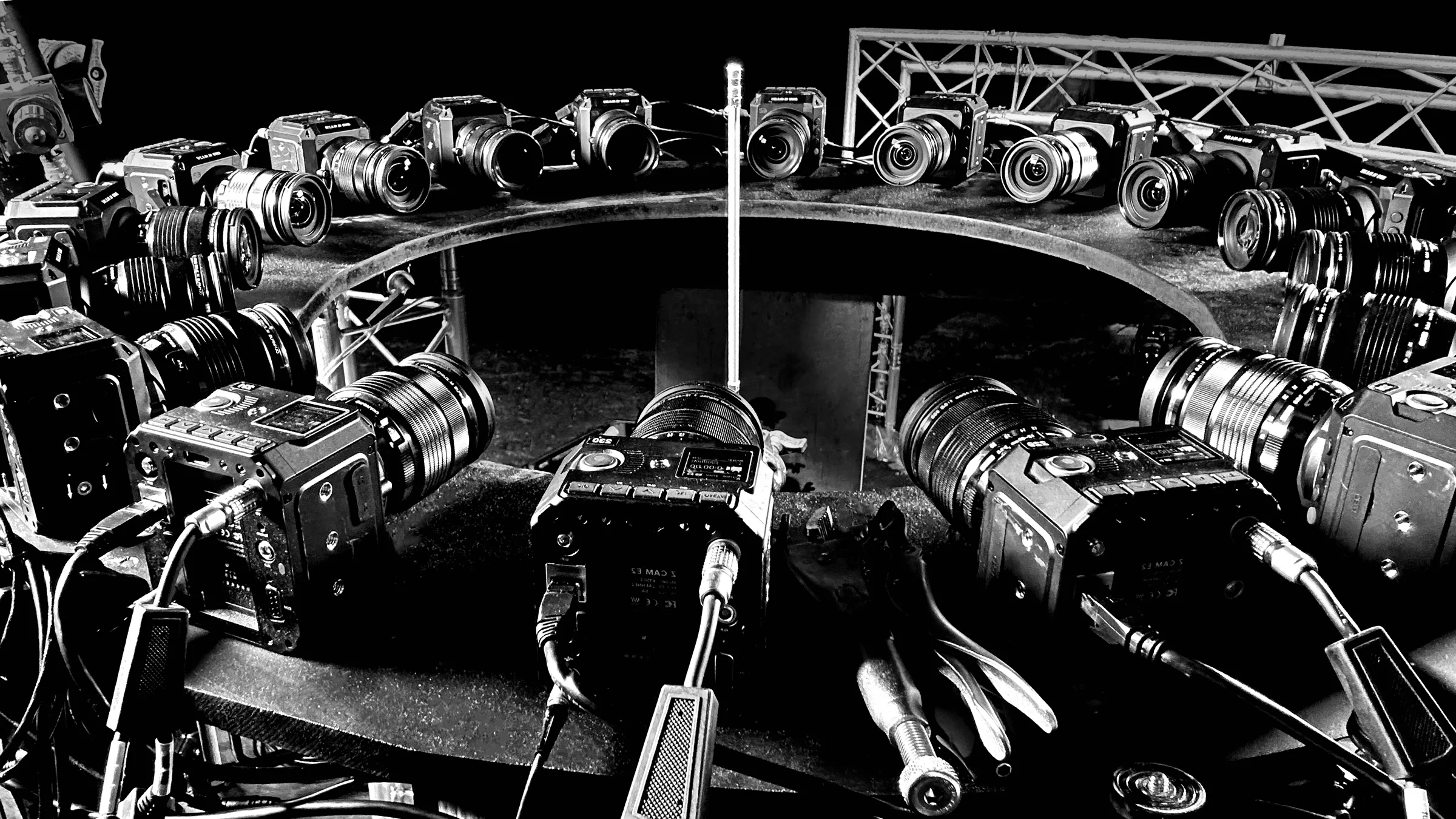
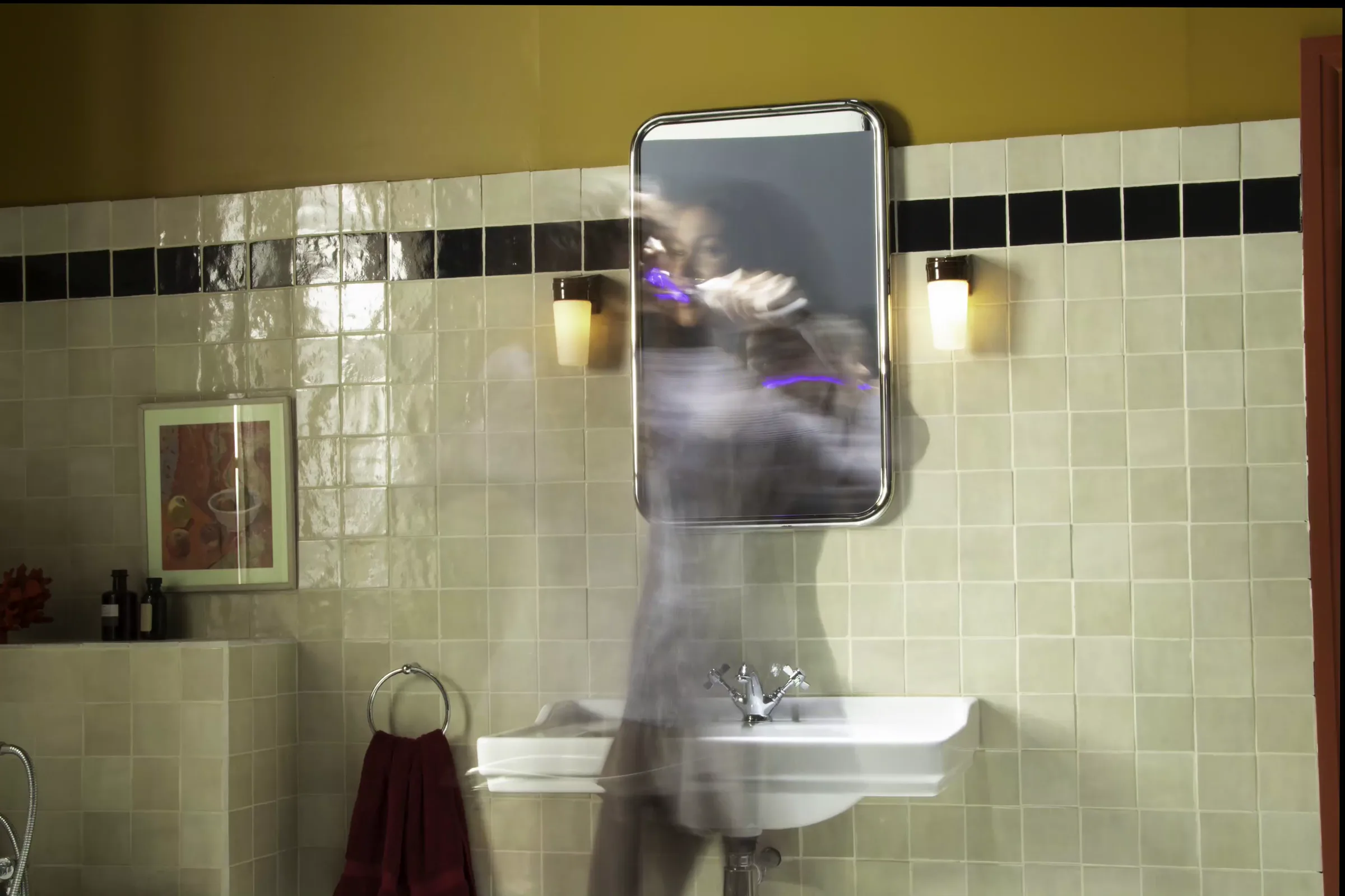
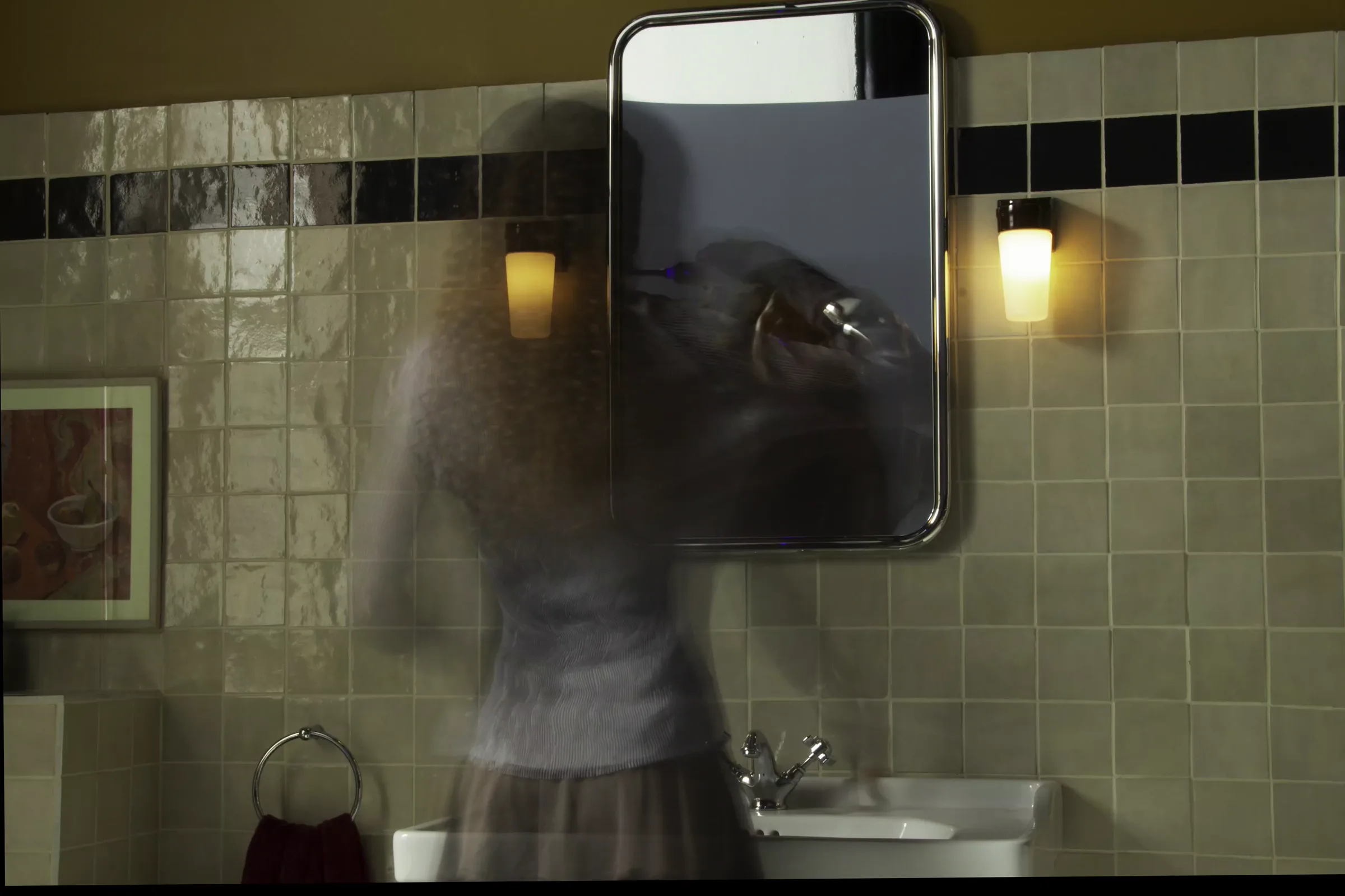
For the second shoot we ran both rigs on the same set, each doing a different job. The Argus rig, with 40 cameras, captured the movement of the talent. The DSLR rig, with 30 cameras, handled long exposures, recording light trails from the light on the toothbrush as the actors moved around the bathroom sets.
Running two rigs together on one set meant the cameras had to match in ways our existing tools couldn’t manage. We wrote our own software on set to sync the settings across the array, and that work became the start of Argus Suite, the system we now use on every shoot.
James Dyson unveiled the Dyson CameraJet in Paris on 1 September 2026. [Where the work ran, for example TV, online, in store, social. Any figures Dyson or the agency can share. A line from the client if available.]

Talk to us. We respond within 24 hours.