Capture & 3D

Photogrammetry

Scan a person in an instant. Use the 3D model anywhere.

A wall of cameras photographs your subject from all sides in the same instant. Those pictures become an accurate 3D model of a person, a product or a place, ready for VFX, games, AR and VR.

Up to 240
cameras firing in the same instant
20 seconds
between poses once the rig is running
One socket
the whole rig runs from a single 16 amp supply
Worldwide
UK-based, shooting in studios and on location
On the day and after

How a photogrammetry shoot works

01

We build the rig around your subject

The cameras are arranged around the person or object, in a studio or on location. The whole system runs from one 16 amp socket, with battery backup.

02

You direct the pose

Every camera fires at the same instant, so a jump, an expression or moving fabric is captured sharp from every camera. Nobody has to hold still. A new pose can be captured about every 20 seconds, so a session can cover dozens of poses and expressions.

03

We build the 3D model

The photographs are processed into a detailed, textured 3D model. We do the rest in-house as well: cleaning the model up, making it light enough to animate, and giving it a skeleton so it can move.

04

You use it where you need it

Drop the model into a VFX shot, a game engine, or an AR or VR project. It can be lit again, animated and placed in any scene.

Why productions use it

What a 3D scan lets you do

Scan people, not statues

Because every camera fires together, the subject can be mid-jump or mid-expression. There is no standing still while a single camera walks around them.

Capture dozens of poses in one session

With a new pose about every 20 seconds, one session can give you a full set of poses and expressions for the same person.

Animate and relight the result

A scanned person can be given a skeleton and animated, with motion capture added to a static pose. Real lighting added afterwards casts real shadows on the model.

Put a real person into a digital world

For ITV's The Cube, contestants were scanned and placed into a CGI version of the set.

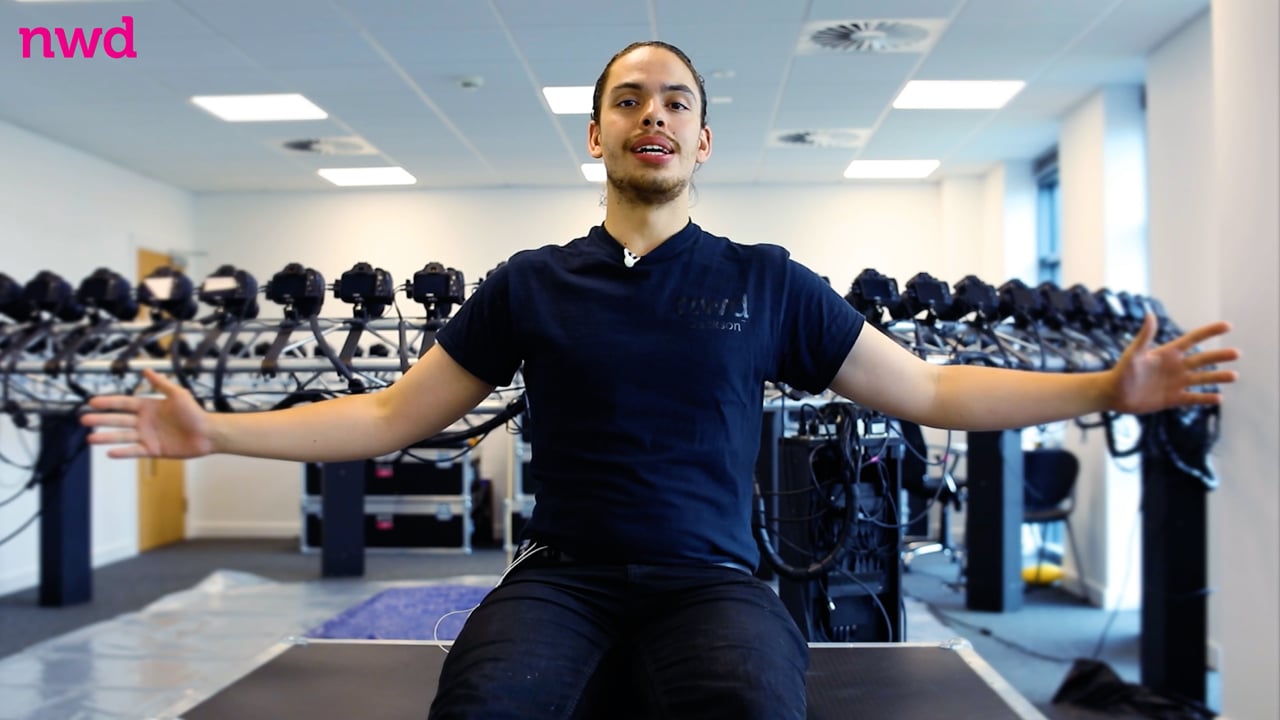
Photogrammetry explainer film
Our explainer film: what photogrammetry is, how it is done and what it can be used for.
Environments

Places, not just people

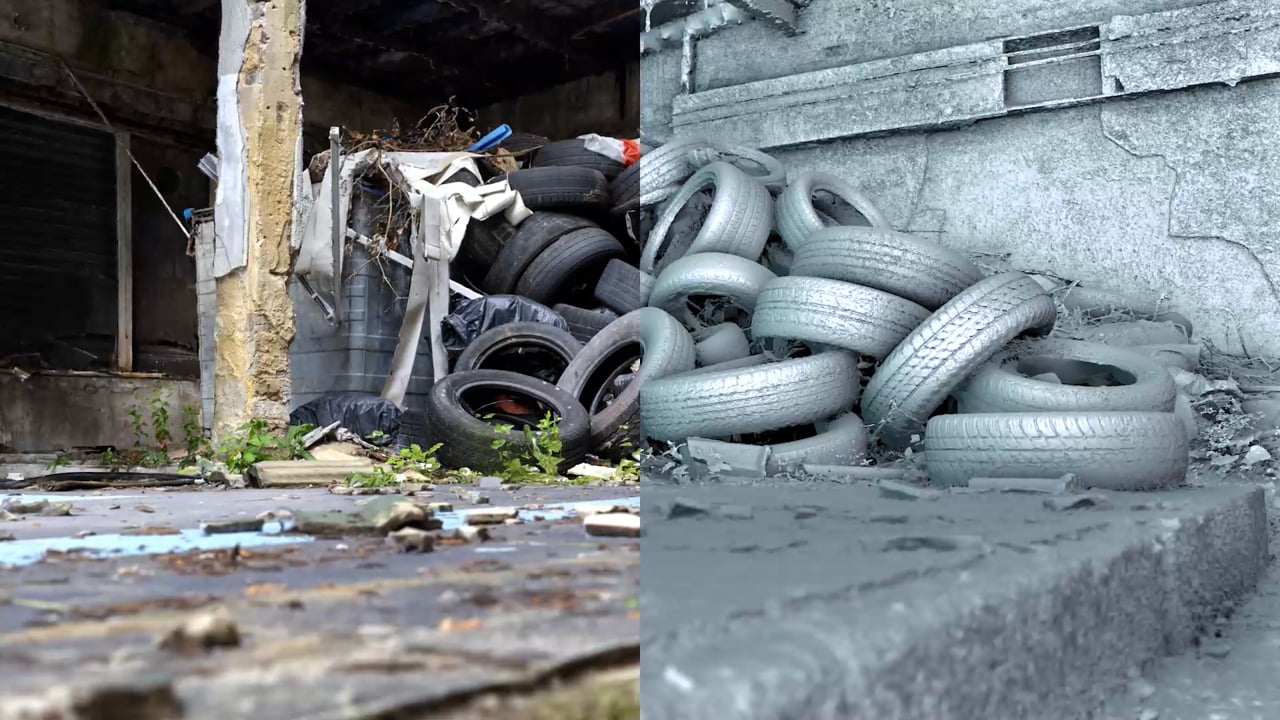
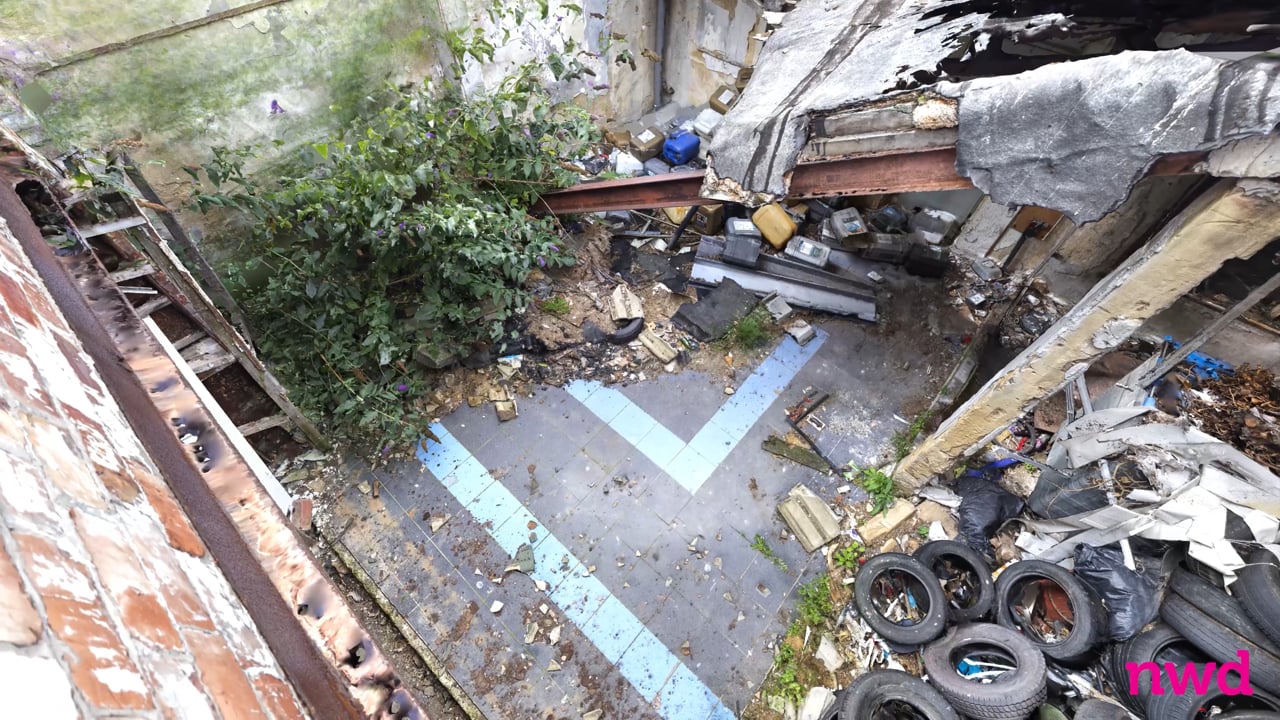
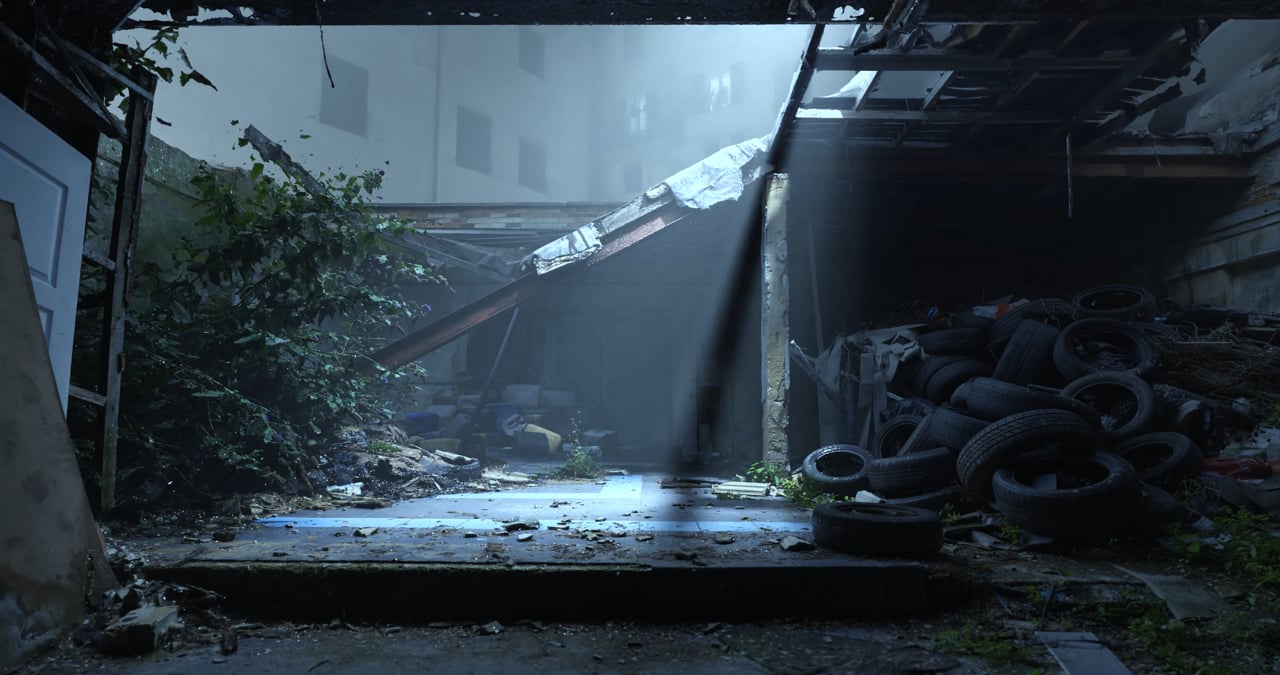
The same process builds photoreal 3D environments from location photography and drone footage: studios, streets and entire derelict buildings, rebuilt as models you can move through.

Photorealistic derelict building
Animated lighting reacting with a model
Which one do I need?

Photogrammetry compared with Gaussian Splatting

If you are not sure, tell us the idea and we will suggest the right one.

TechniqueWhat you getGood for
PhotogrammetryA solid 3D model you can animate, relight and place in any sceneDigital doubles, characters, props, games, AR and VR
3D Gaussian SplattingA photoreal 3D scene of one instant, to move a camera throughFinished shots for adverts and films
4D Gaussian SplattingA moving performance as a 3D sceneMusic videos, dance, sport
Recent work

Recent photogrammetry work

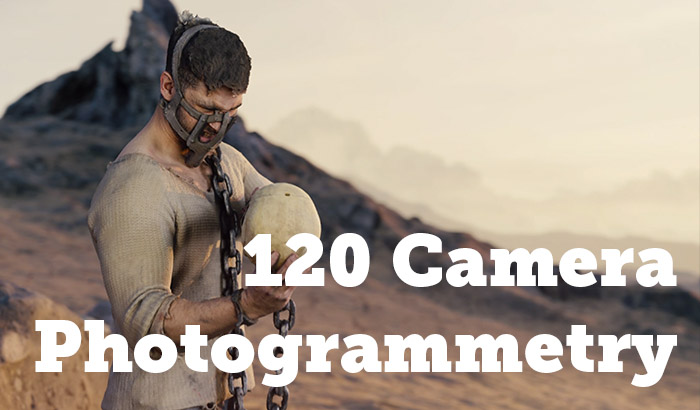
Photoreal 3D character from a 120-camera scan
3D character / 120 cameras

120-camera character scan

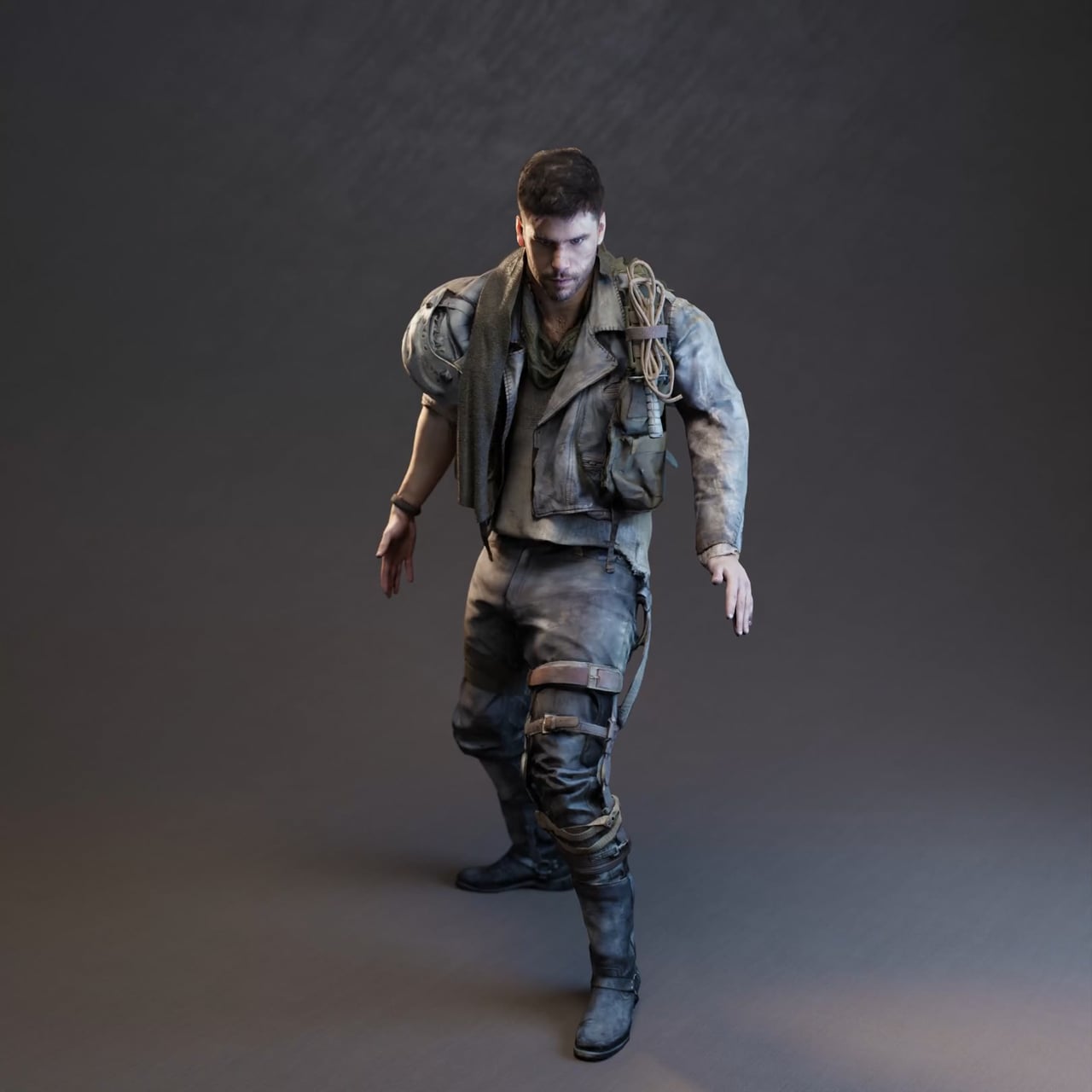
A cosplay model scanned in two outfits with 120 cameras firing together. The result is a photoreal 3D character with a skeleton, moving eyes and hair, and clothing that reacts to wind, ready for video, AR, VR and game engines.

Read the case study
The Million Pound Cube studio set
TV game show / UK and Netherlands

The Million Pound Cube, ITV

Across two series we scanned contestants and built a CGI copy of the whole studio set, accurate to the millimetre, so the camera could move through scenes that were never physically shot.

Read The Cube case study

More scanning work

The 240-camera Prada rig in a white studio
Global campaign / 240 cameras

Prada SS21

Our largest rig to date: 240 cameras at Fondazione Prada in Milan, used for both 3D scans and bullet time for Prada's worldwide campaign.

Read the Prada case study

Tom Felton in the Gunpowder Plot VR experience
VR experience / moving capture

Tom Felton, Gunpowder Plot VR

Tom Felton captured as a moving 3D performance for a virtual reality experience at the Tower of London.

Read the Tom Felton case study

Model samples

How photogrammetry works: the 120-camera process
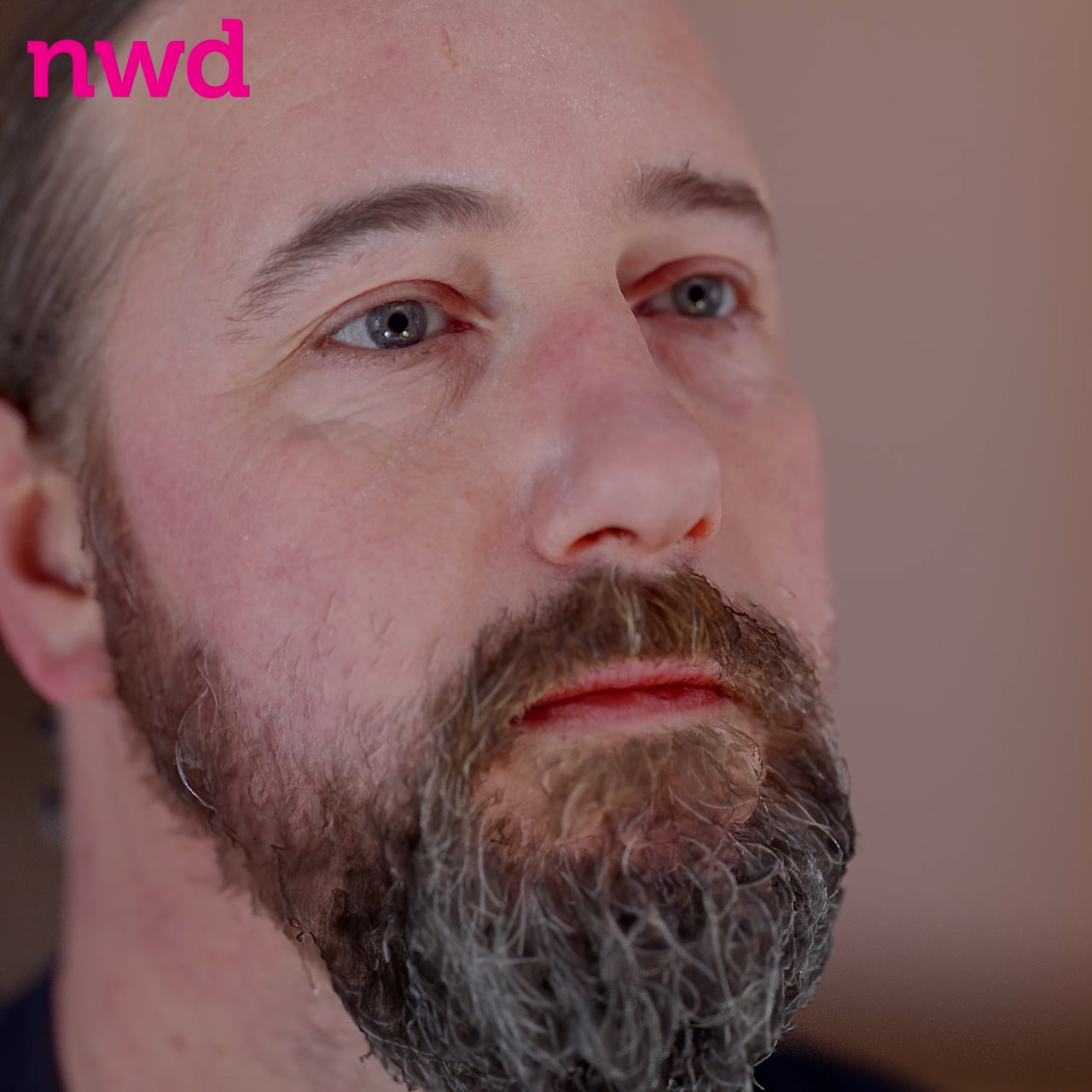
Head and shoulders capture
Mocap added to a static A-pose
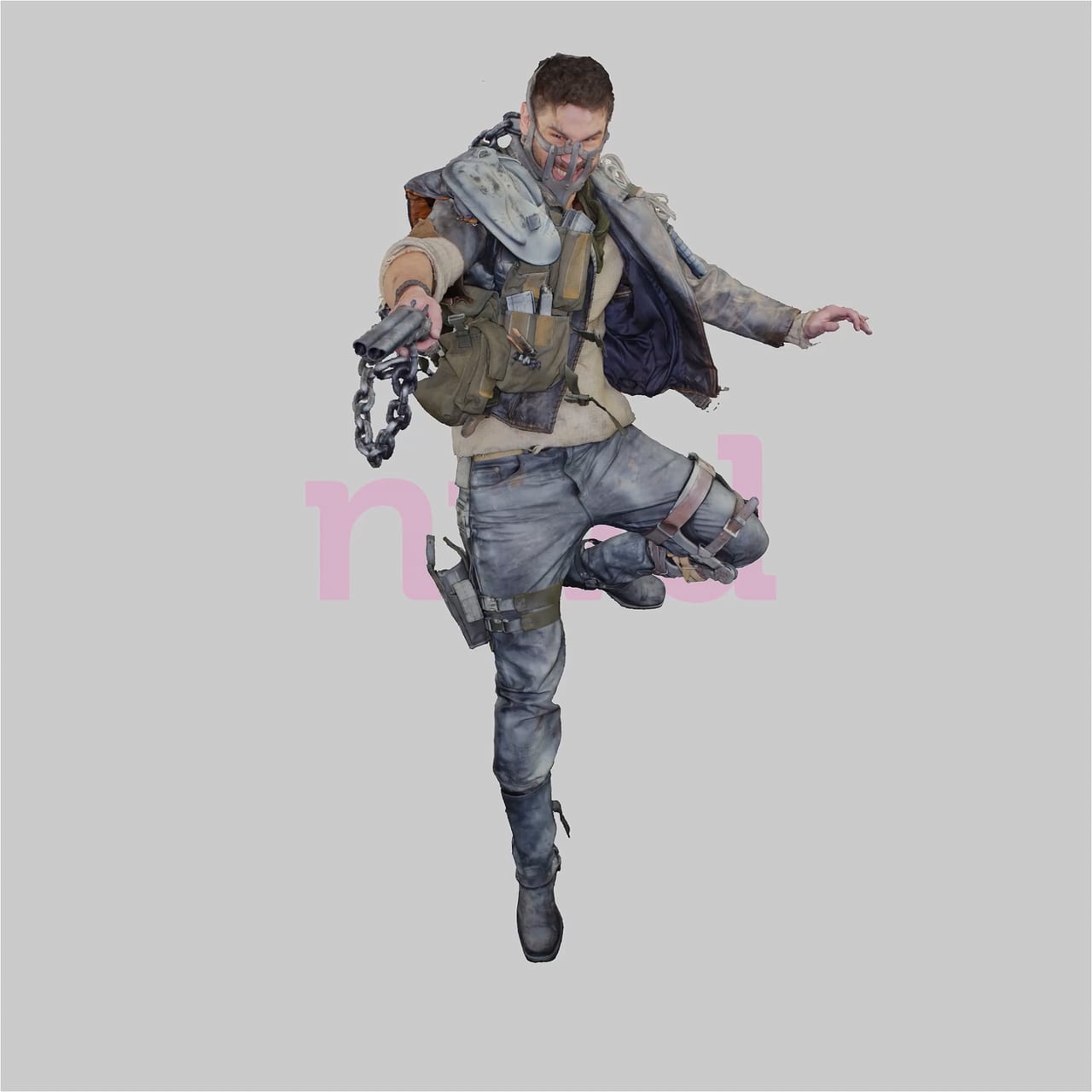
Jump pose, rotating model
Trainer scan with a gold leaf finish
Textured vs mesh
Textured vs mesh
Deliverables

From raw images to rigged models

We run the whole process in-house and hand over at whatever stage your production needs.

The raw photographs

Every image from every camera, RAW and JPEG, if your own team will build the model.

A detailed 3D model

A finished model with textures up to 16K, delivered as an OBJ file.

A character ready to animate

A lighter version with a skeleton, ready to animate and relight in VFX, AR, VR or a game engine.

Questions producers ask

Photogrammetry FAQ

Do we need to understand the technology?

No. You direct the person or the pose as you would on any shoot. We look after the rig, the capture and the 3D work.

Does the person have to stand still?

No. Every camera fires at the same instant, so jumps, expressions and moving fabric are all captured sharp.

How many poses can we capture?

Once the rig is running, a new pose takes about 20 seconds, so a session can cover dozens.

What can be scanned?

People, products and places. Places are built from location photography and drone footage.

Which camera rig do you use?

Usually our DSLR rig, with up to 240 cameras. Our Argus cinema rig can capture a 3D scan as well, so if it is already on your shoot you do not need a separate scanning company. Compare the rigs.

What power do you need?

One 16 amp socket runs the whole system, with battery backup.

How is it different from Gaussian Splatting?

Photogrammetry gives you a solid 3D model you can animate, relight and place in any scene. Gaussian Splatting gives you a photoreal scene to move a camera through. See 3D Gaussian Splatting.

What files do we get?

Whatever your production needs: the raw photographs, a detailed model with textures up to 16K, or a lighter model with a skeleton that is ready to animate.

What affects the price?

Mainly the number of cameras, the location and travel, the number of shoot days, how many poses you need, and how far through the process we take the model.

What should we send for a quote?

Who or what is being scanned, how many poses, what the model is for (VFX, a game, AR or VR), and the shoot date and location.

Need someone or something scanned?

Tell us who or what, how many poses, and what the model is for. We will tell you how we would capture it and what it would cost.

Get a Quote