Adidas Messi World Cup
Adidas
↗
BBC Natural History Unit
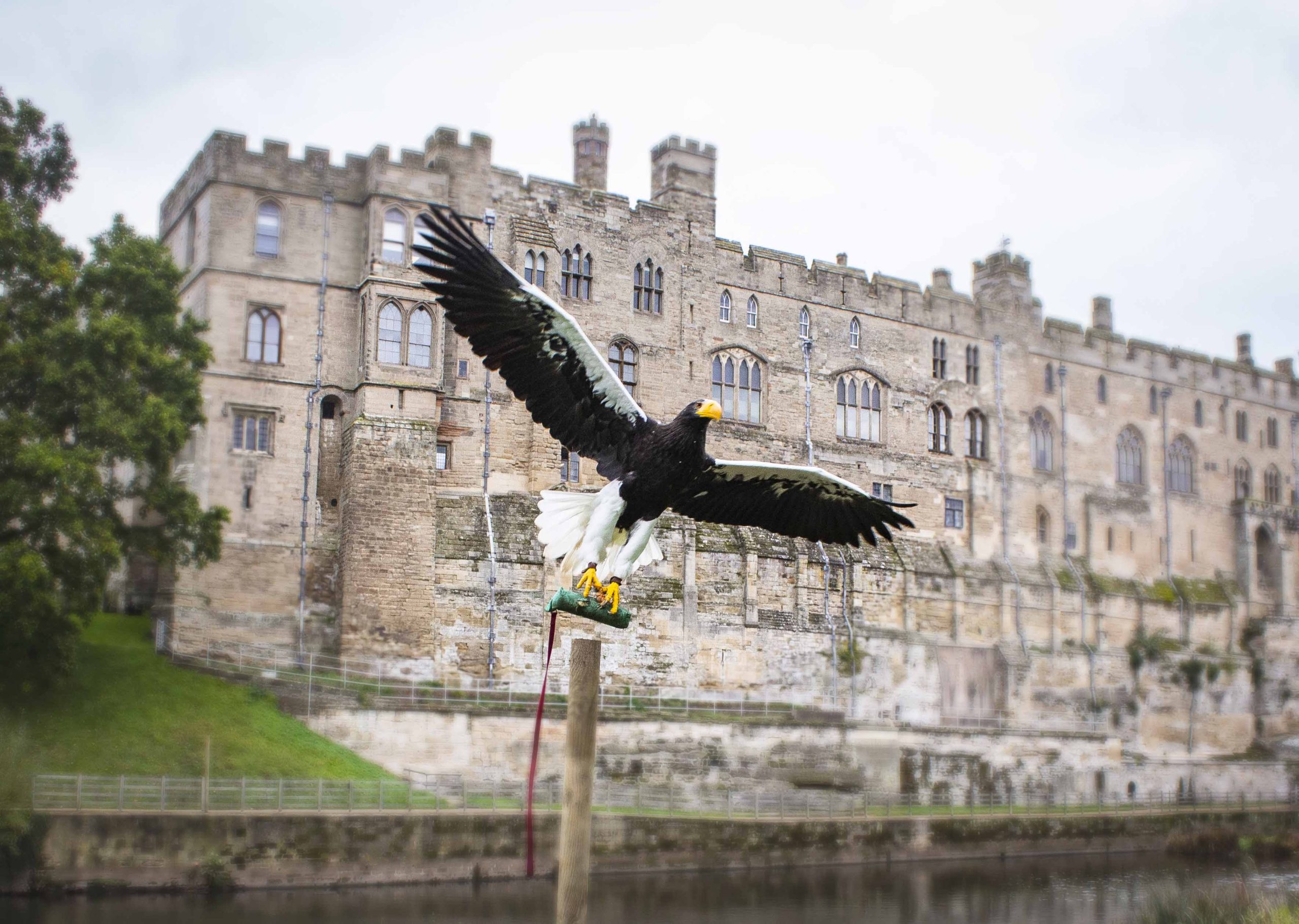
One of the biggest eagles alive, a one hour shooting window, four chances at most, and both key shots landed first time, triggered by hand.
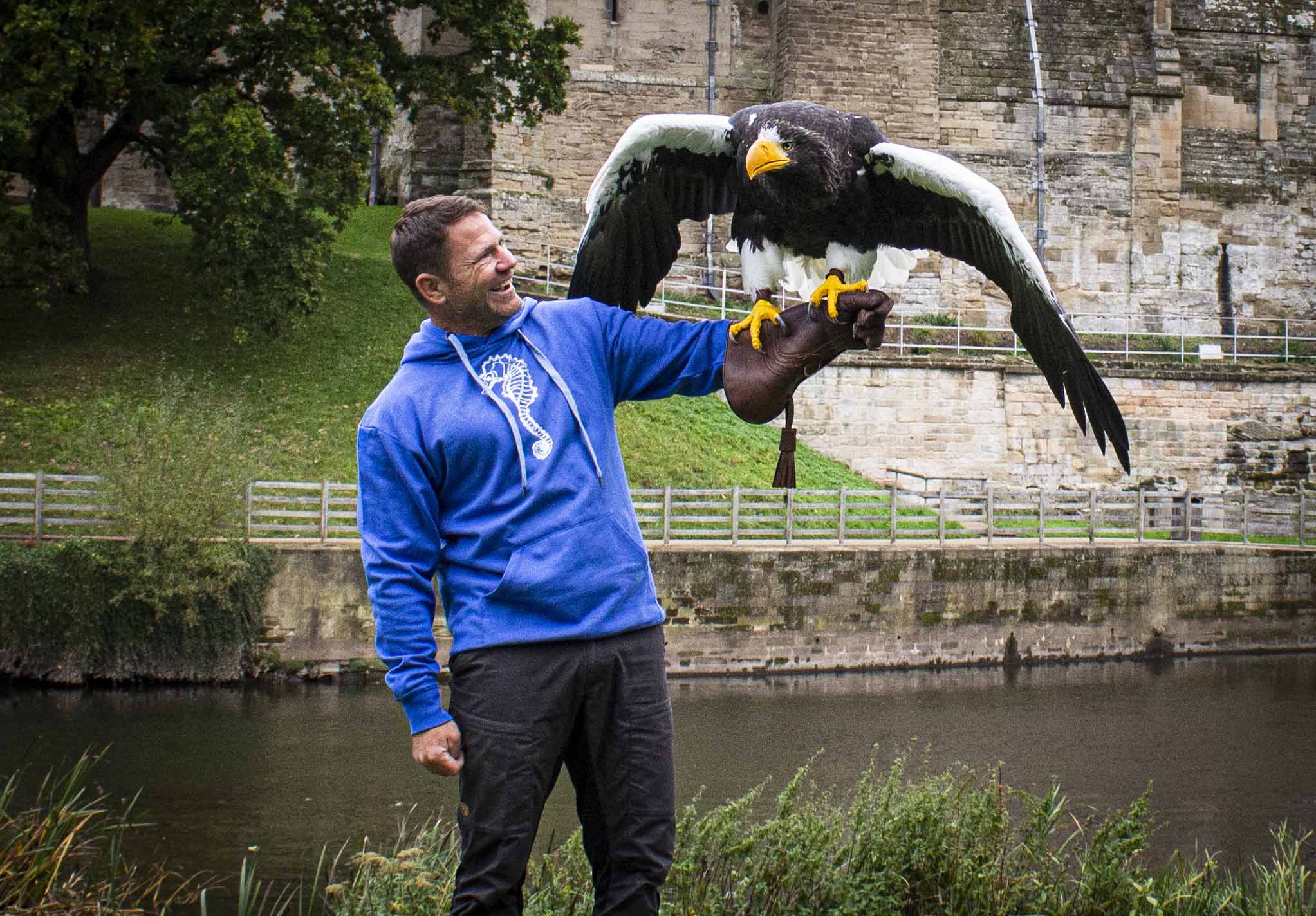
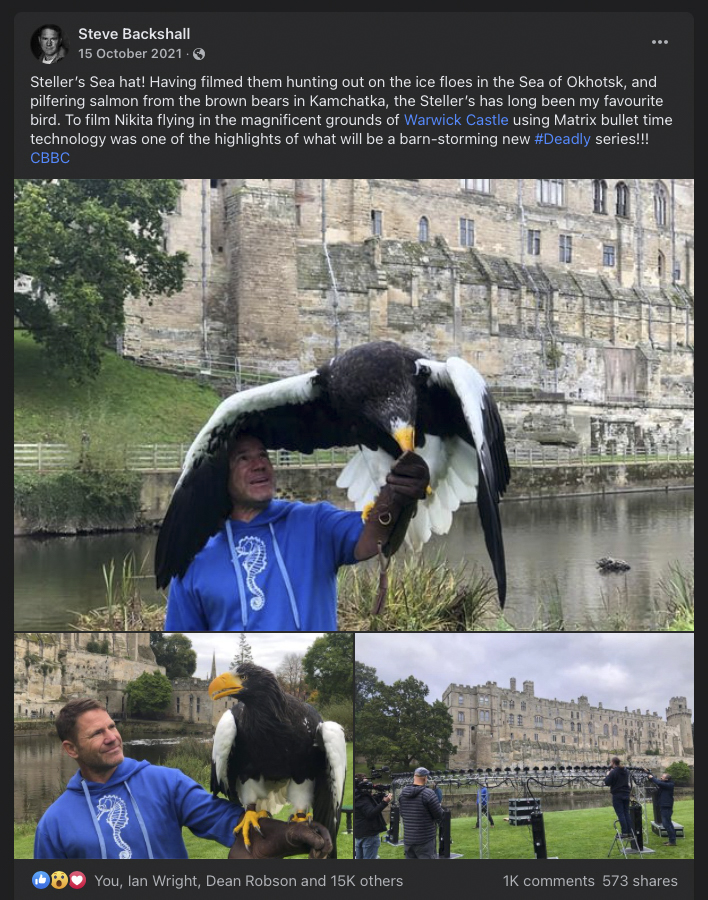
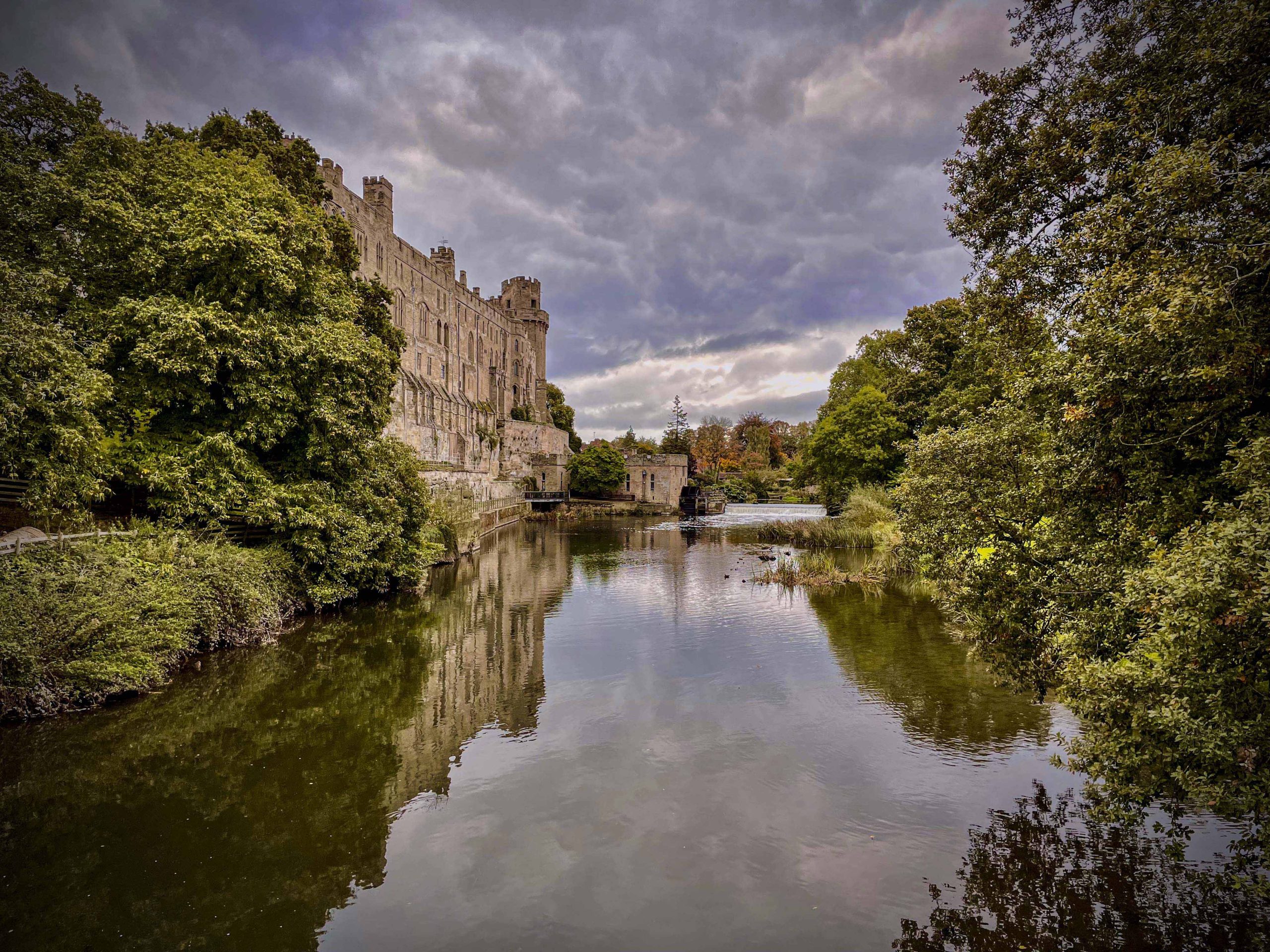
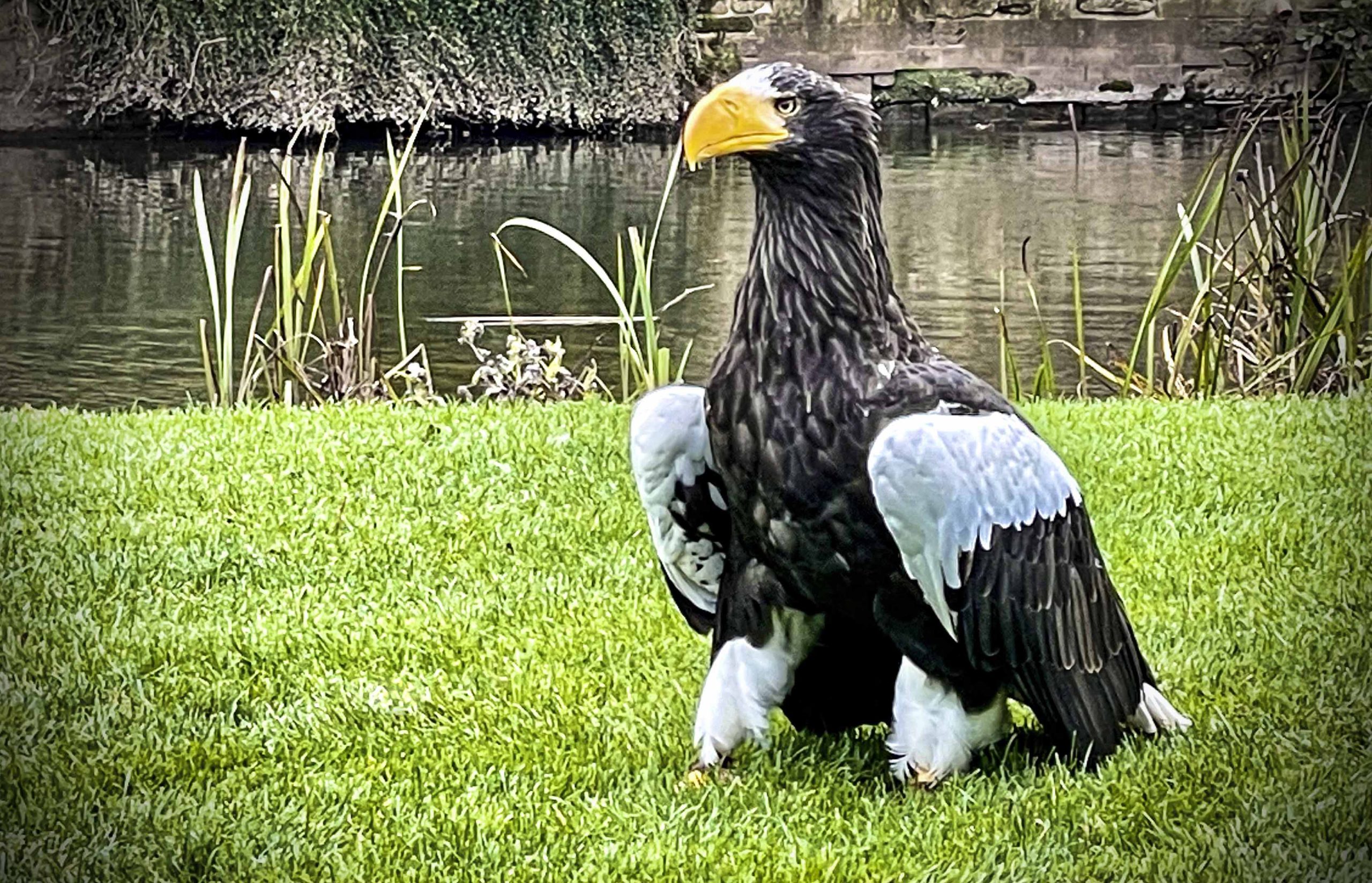
Everyone in this office grew up on BBC wildlife shows, so when an email arrives from the BBC Natural History Unit, you pay attention. Better still, we were already planning a bird of prey shoot for our own portfolio in Northumberland when they called. None of the birds we had lined up came close to the pure unit of a creature we met at Warwick Castle.
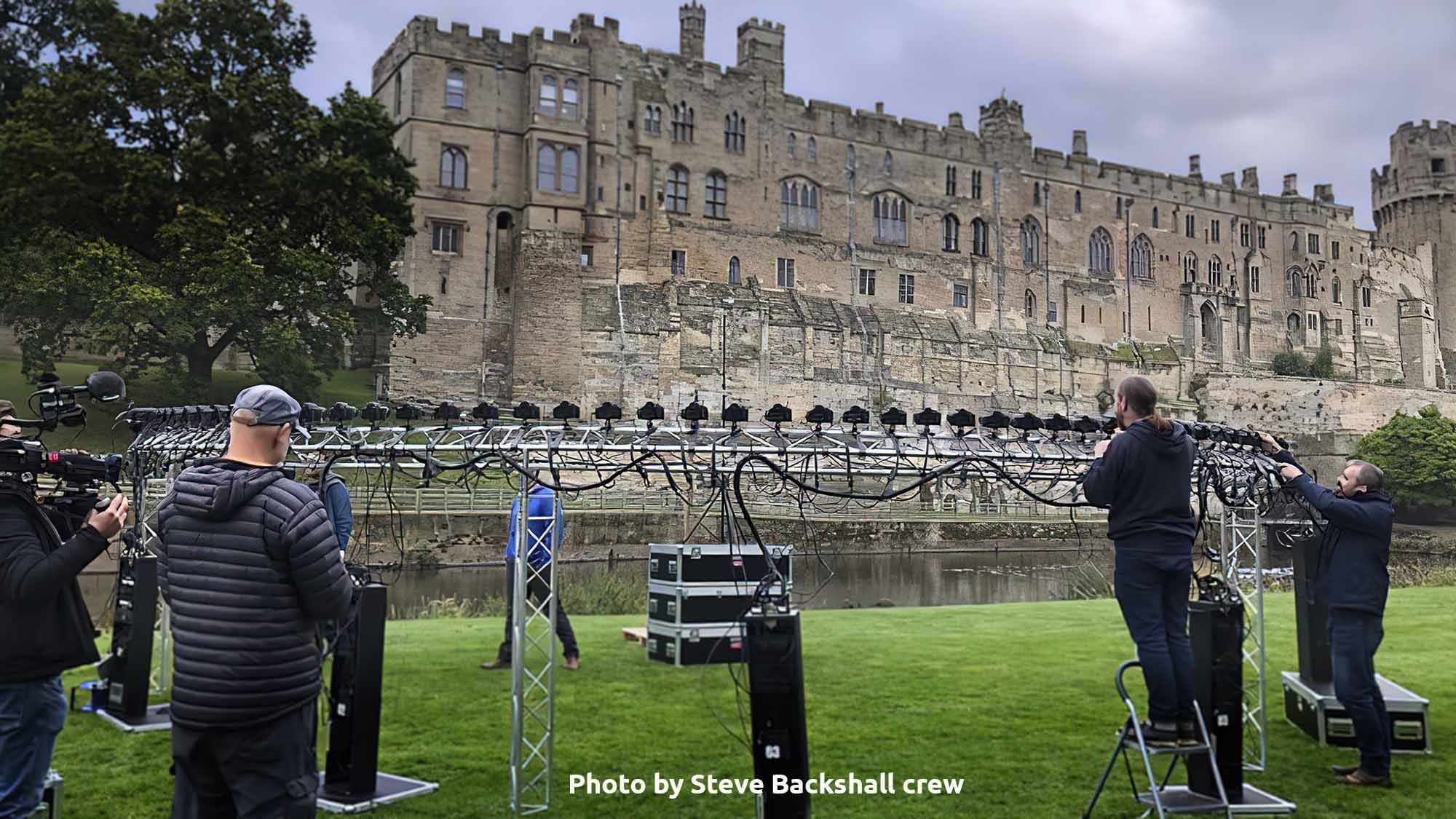
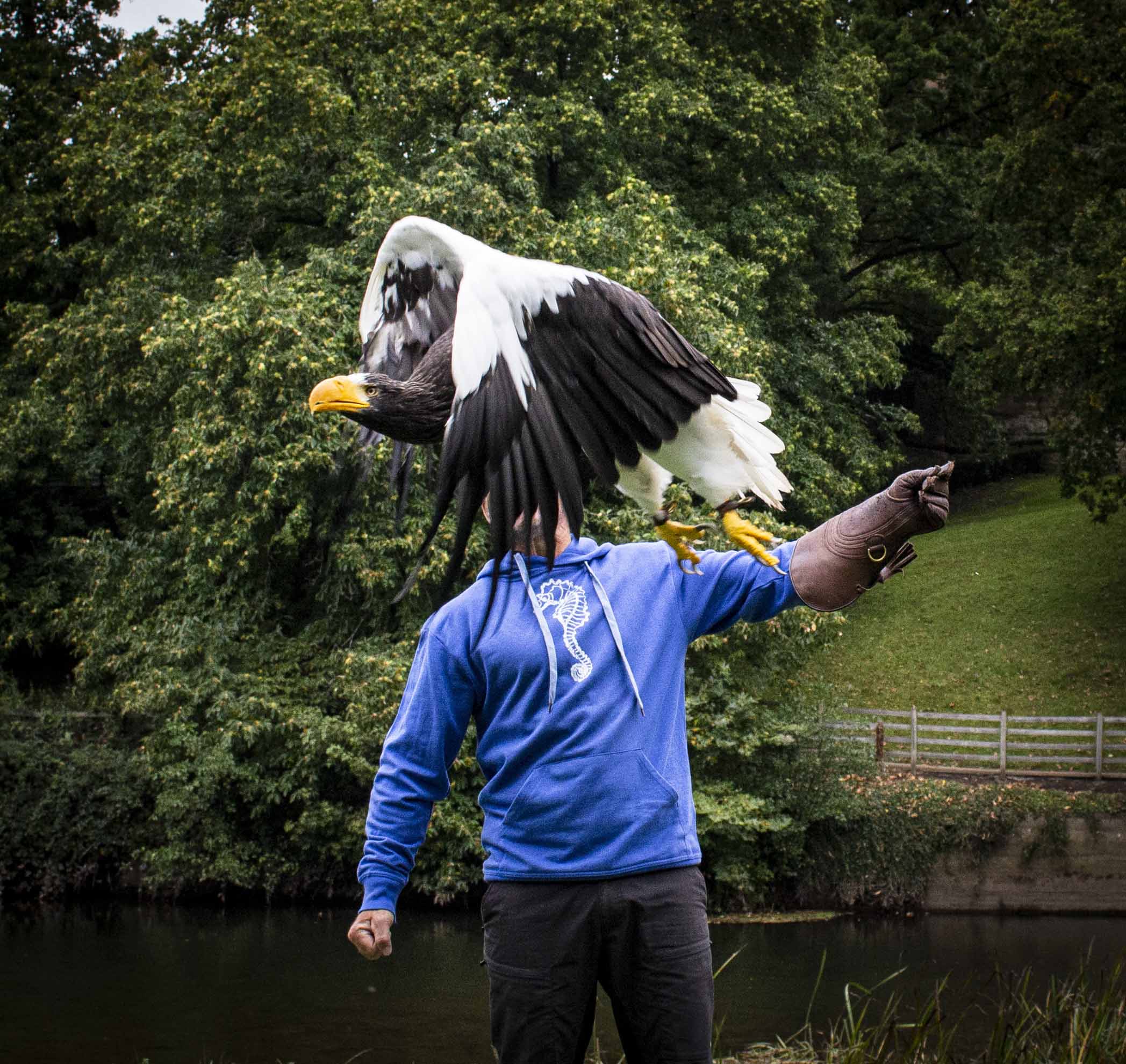
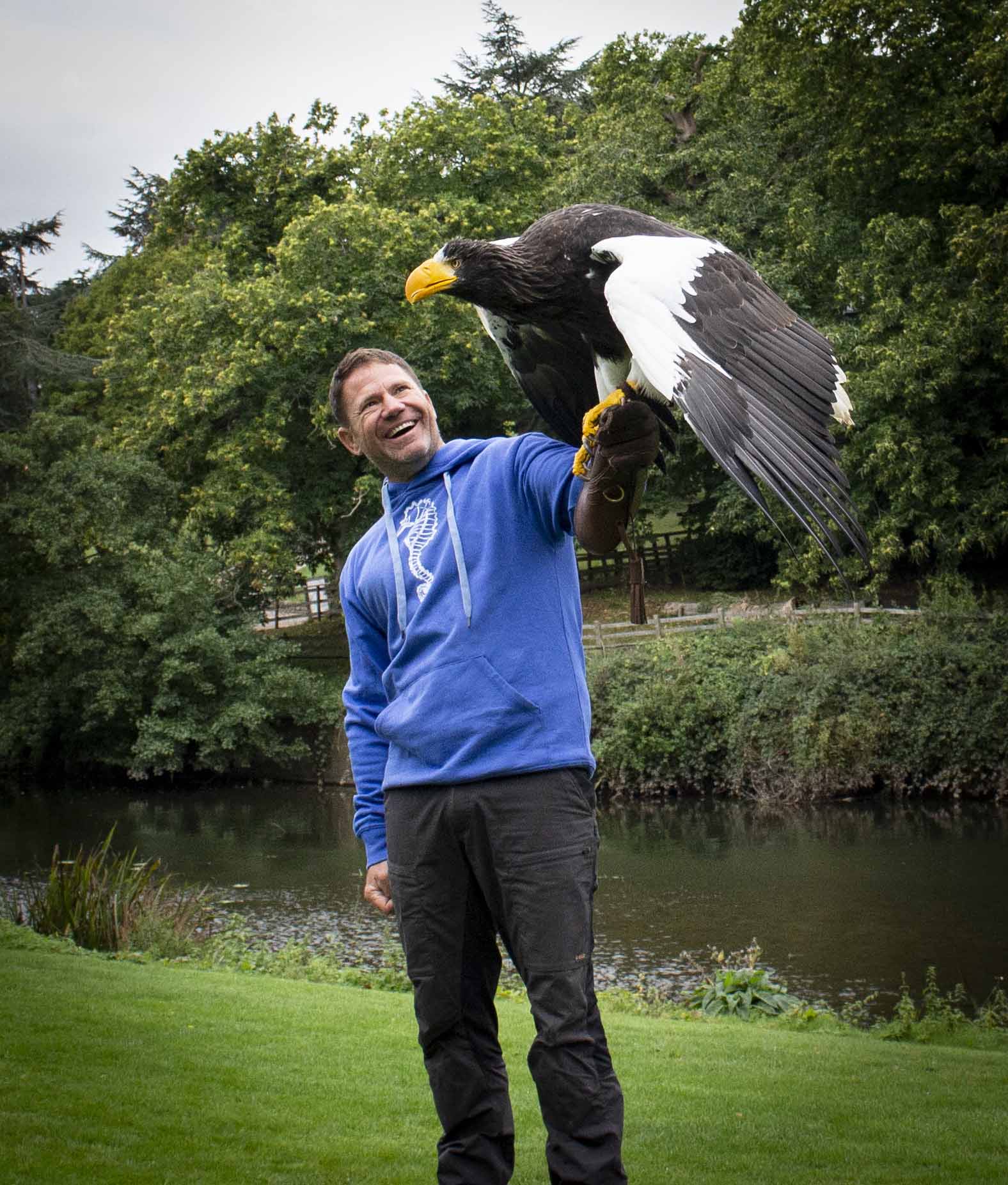
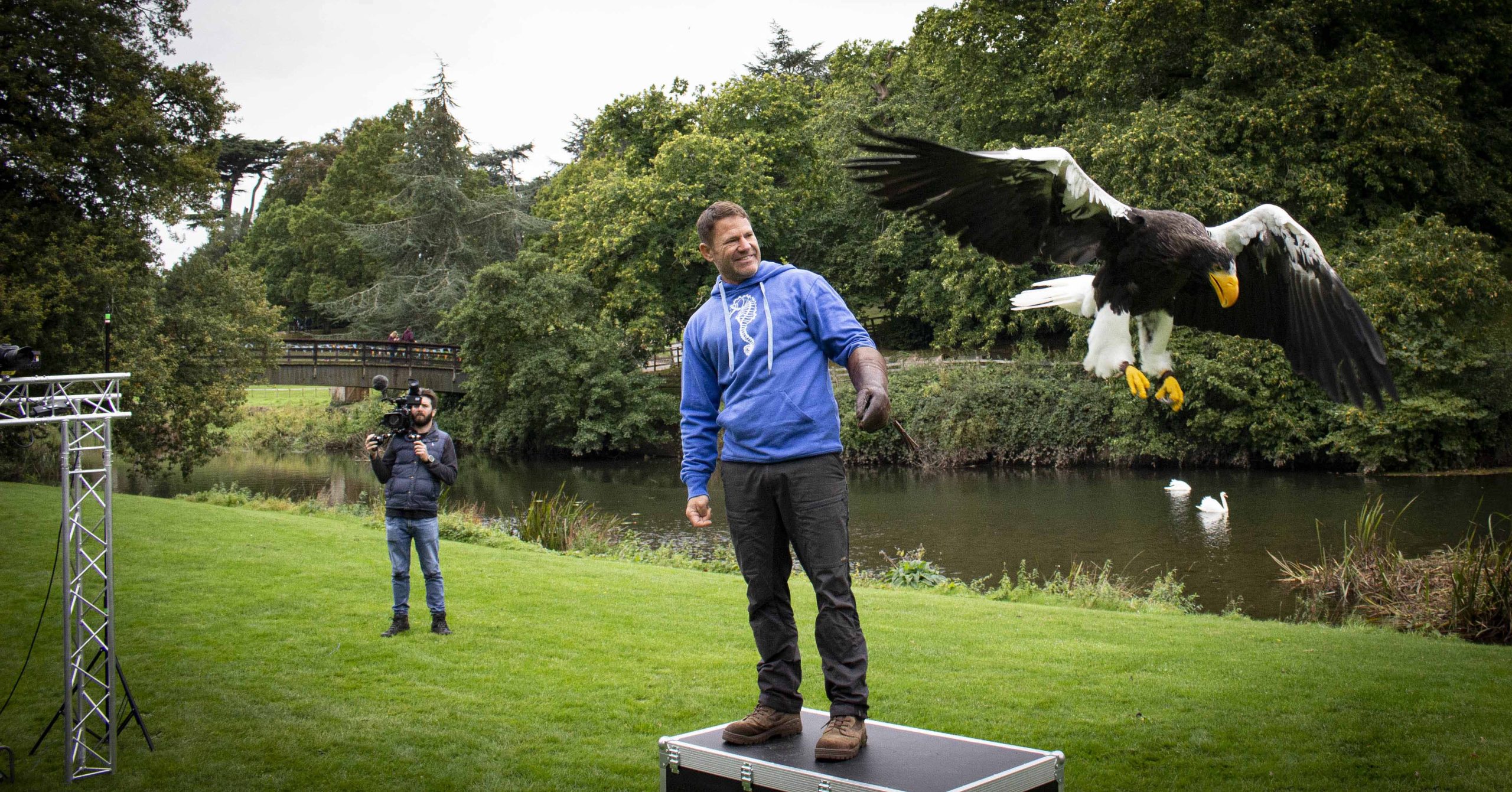
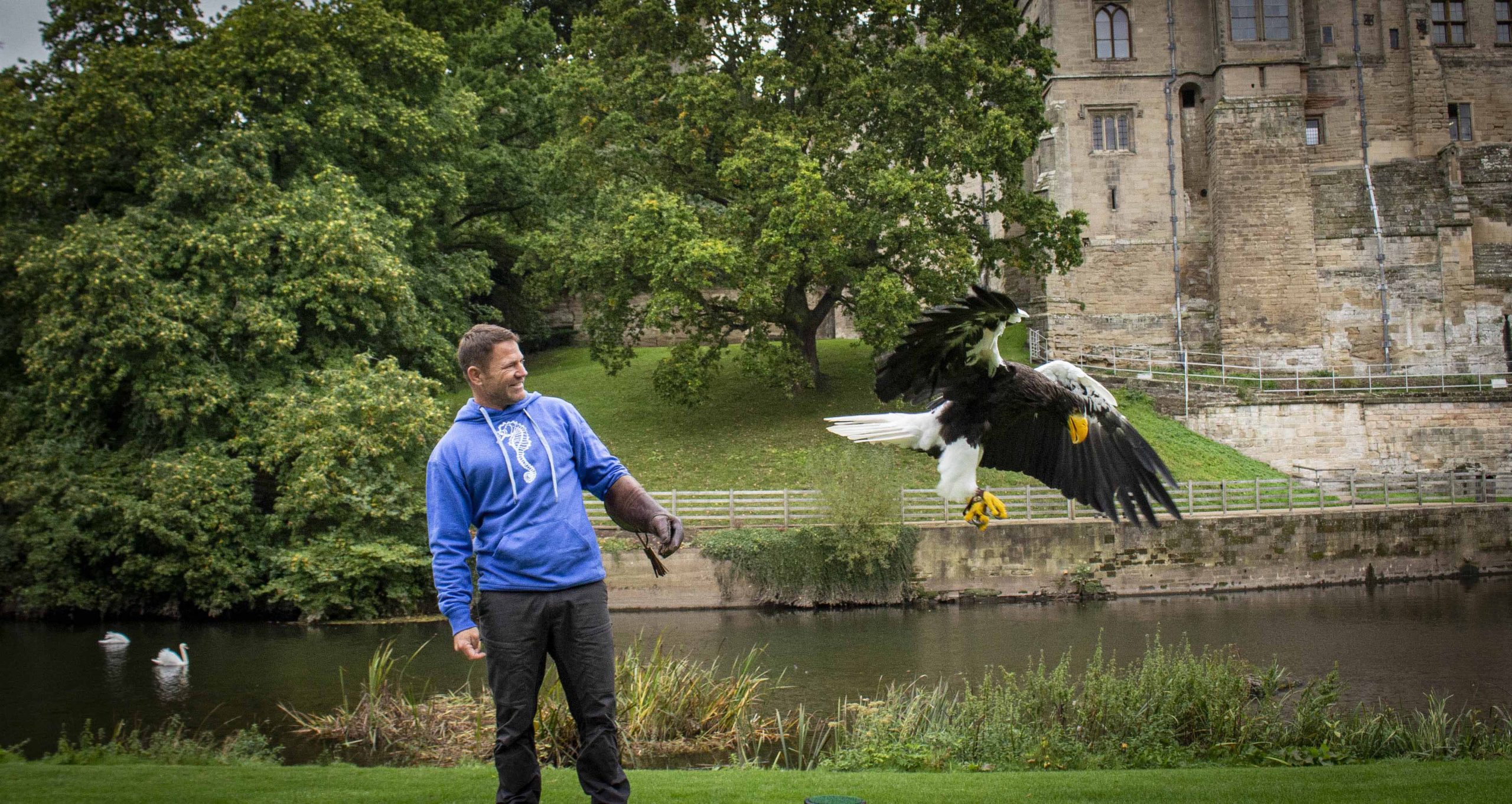
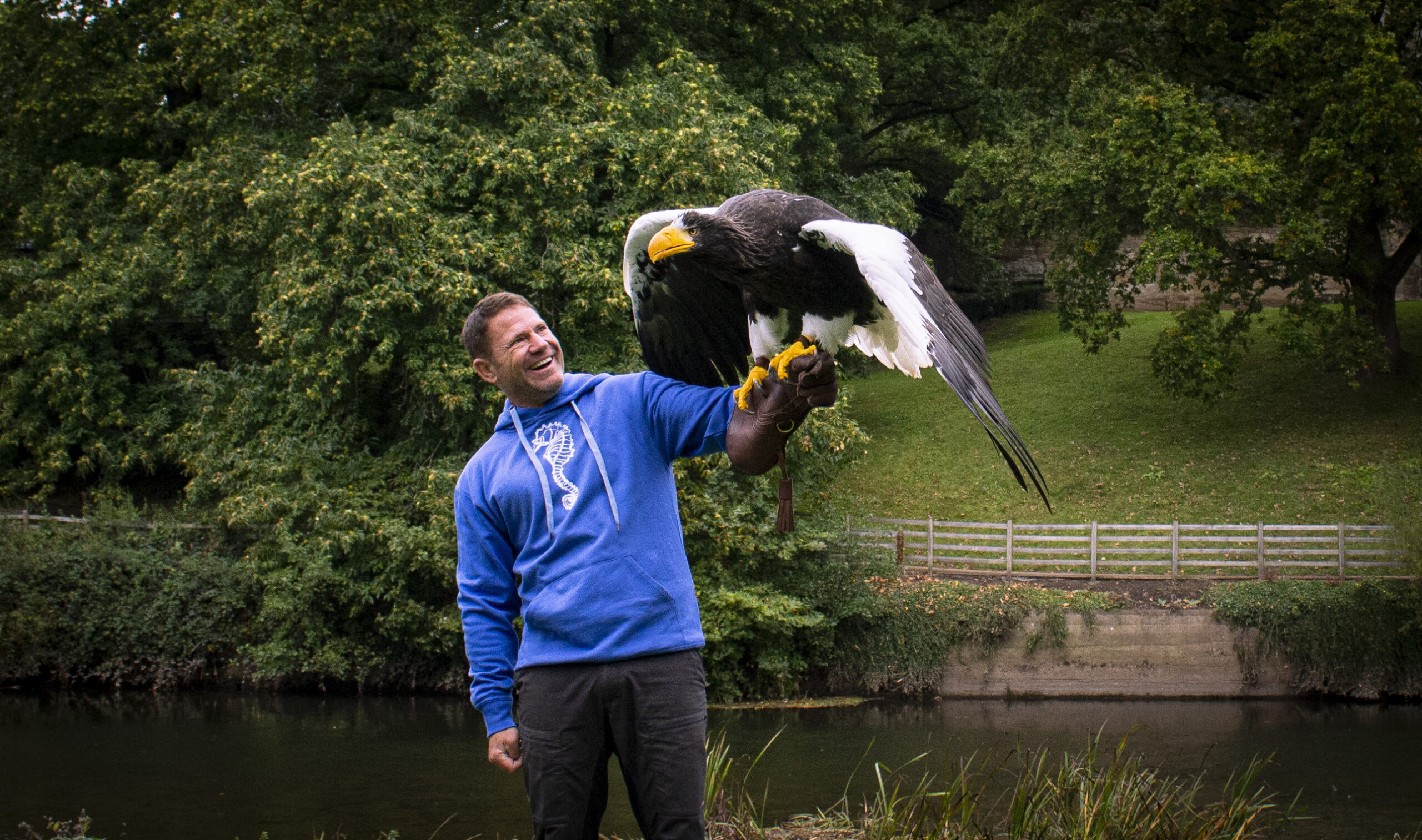
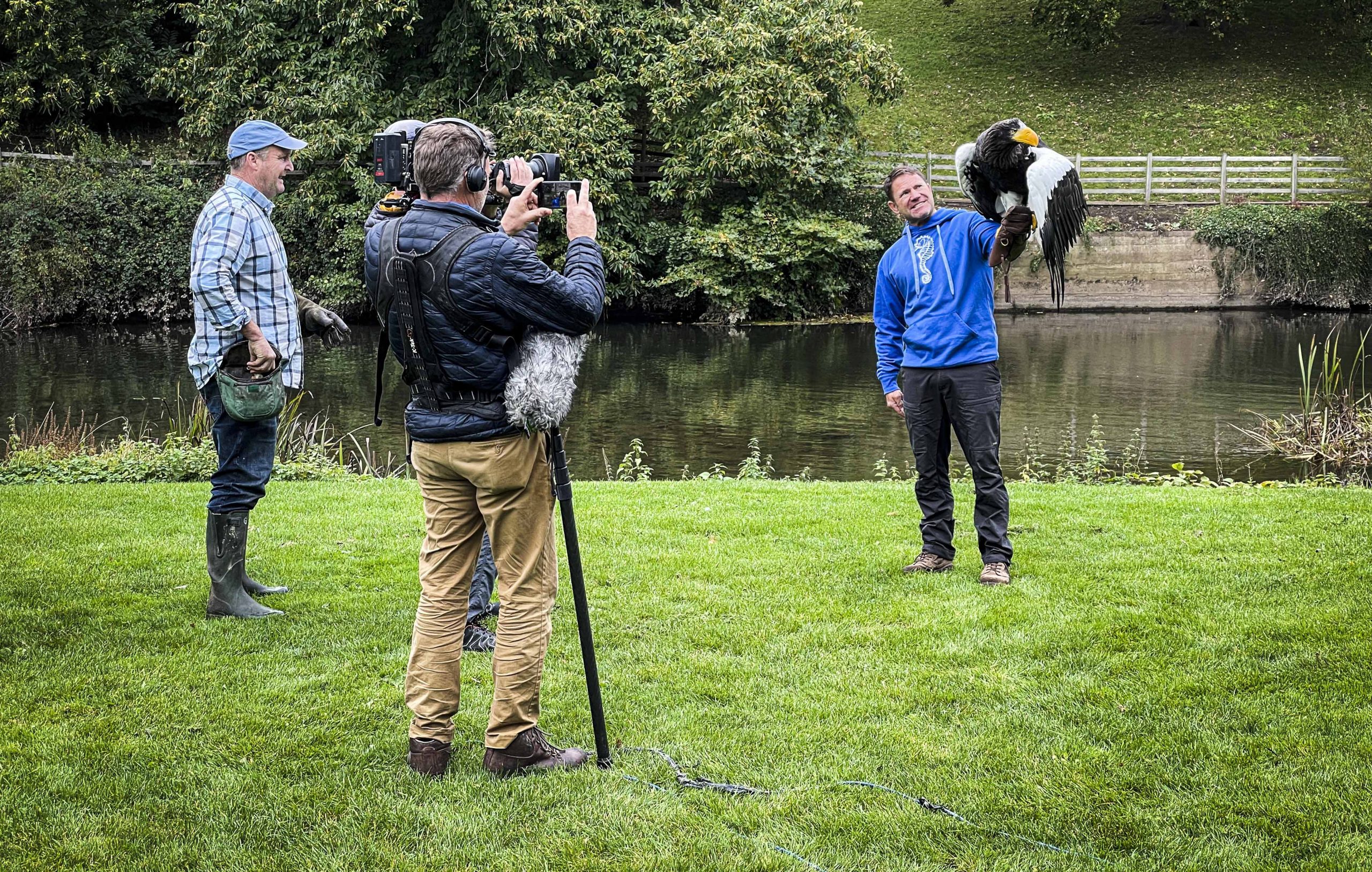
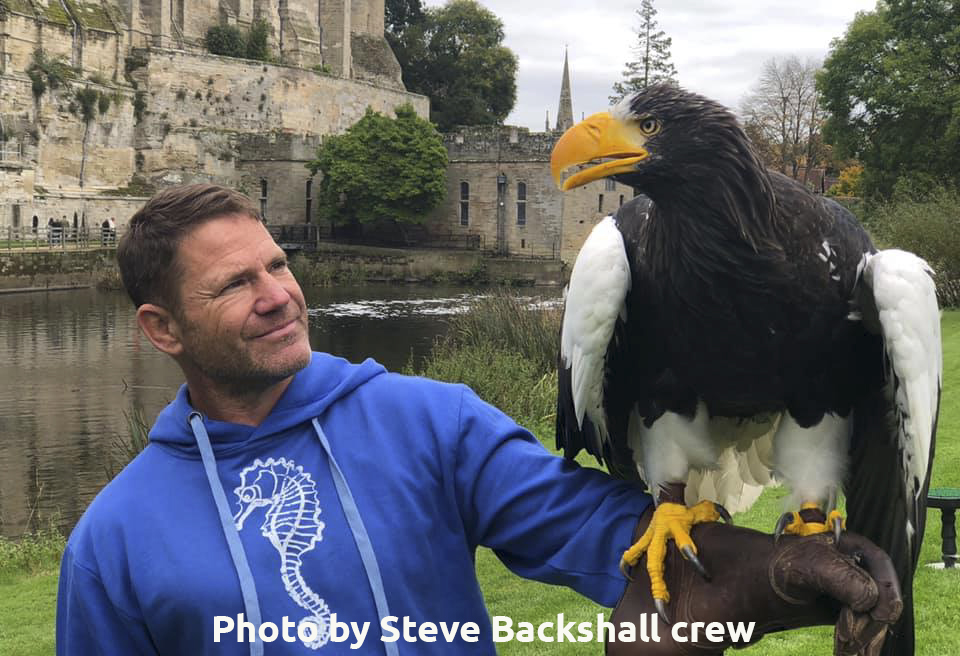
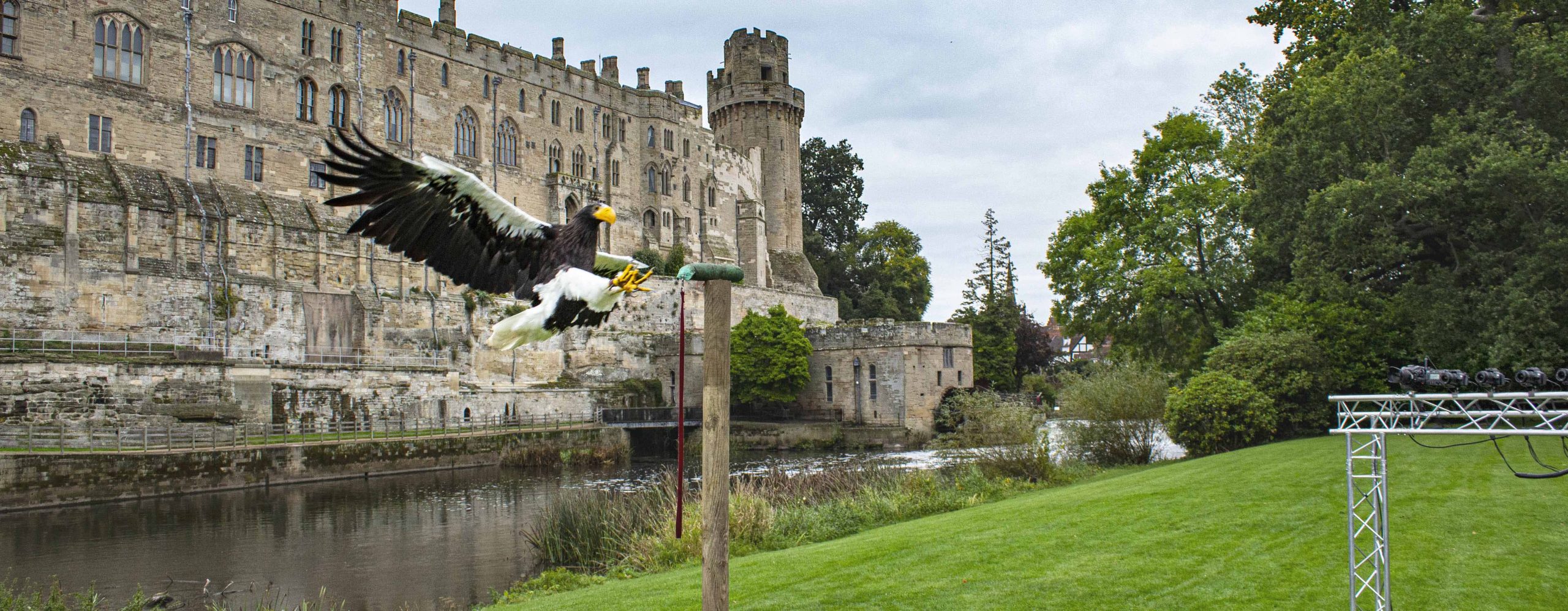
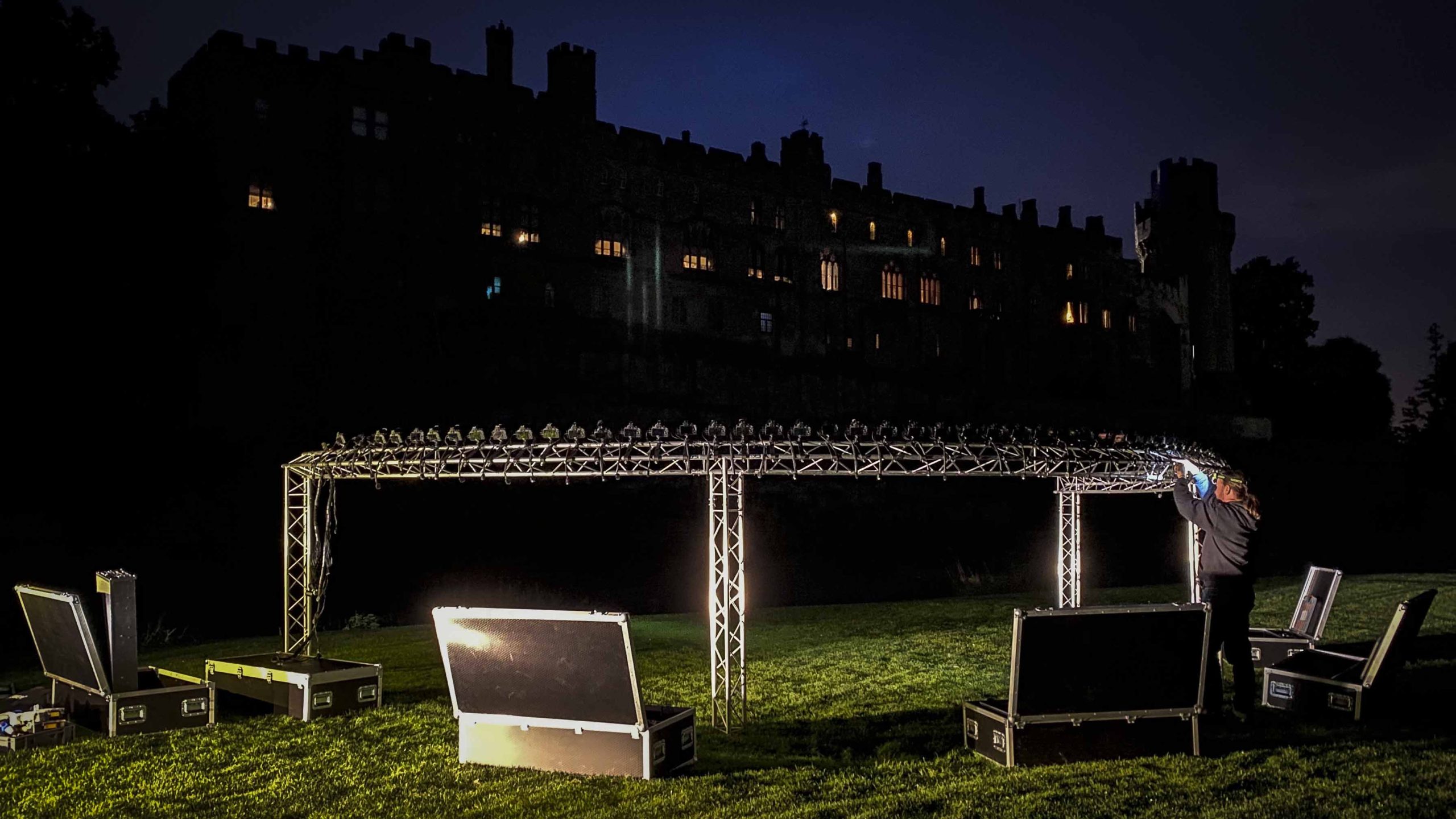
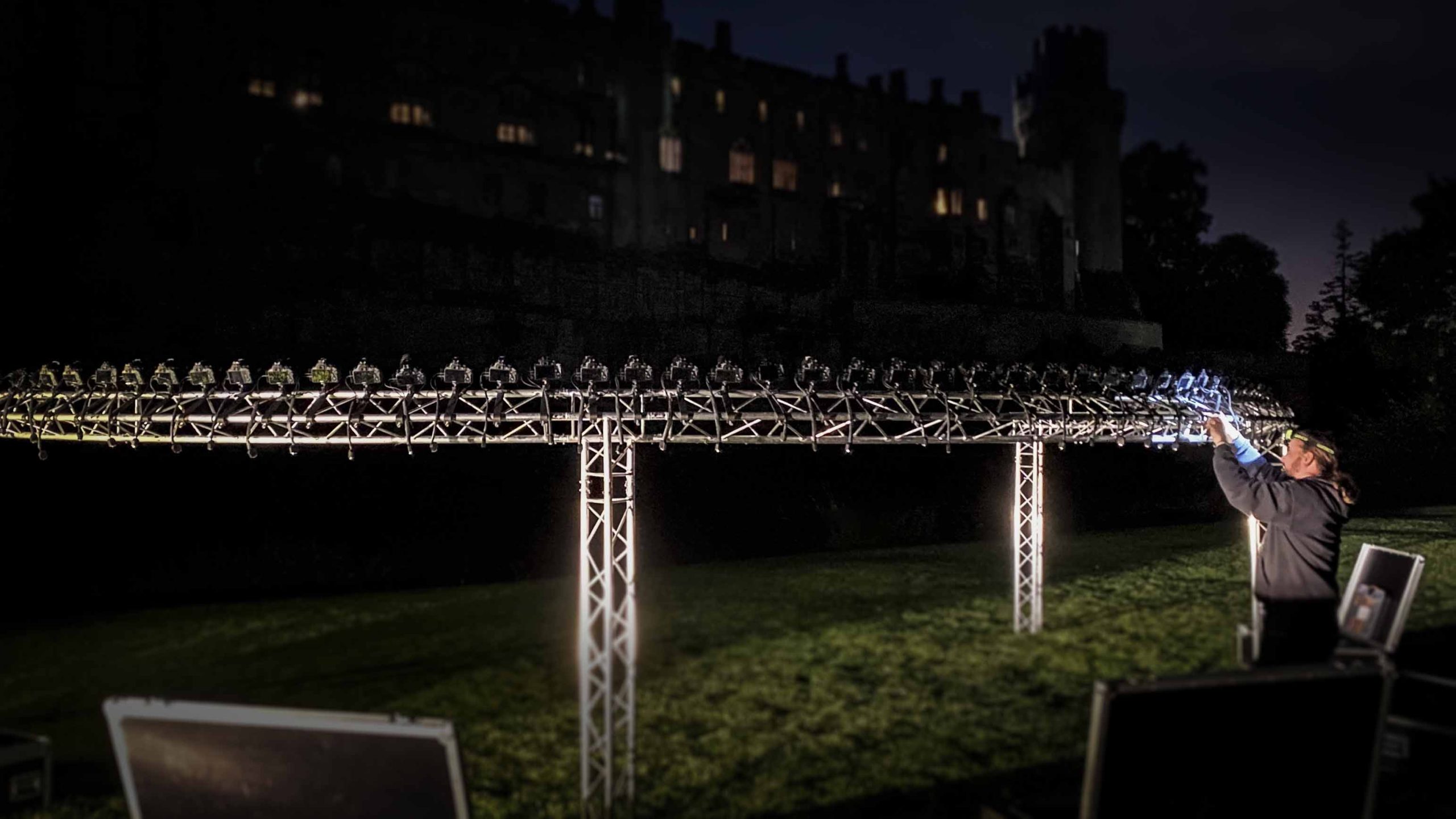
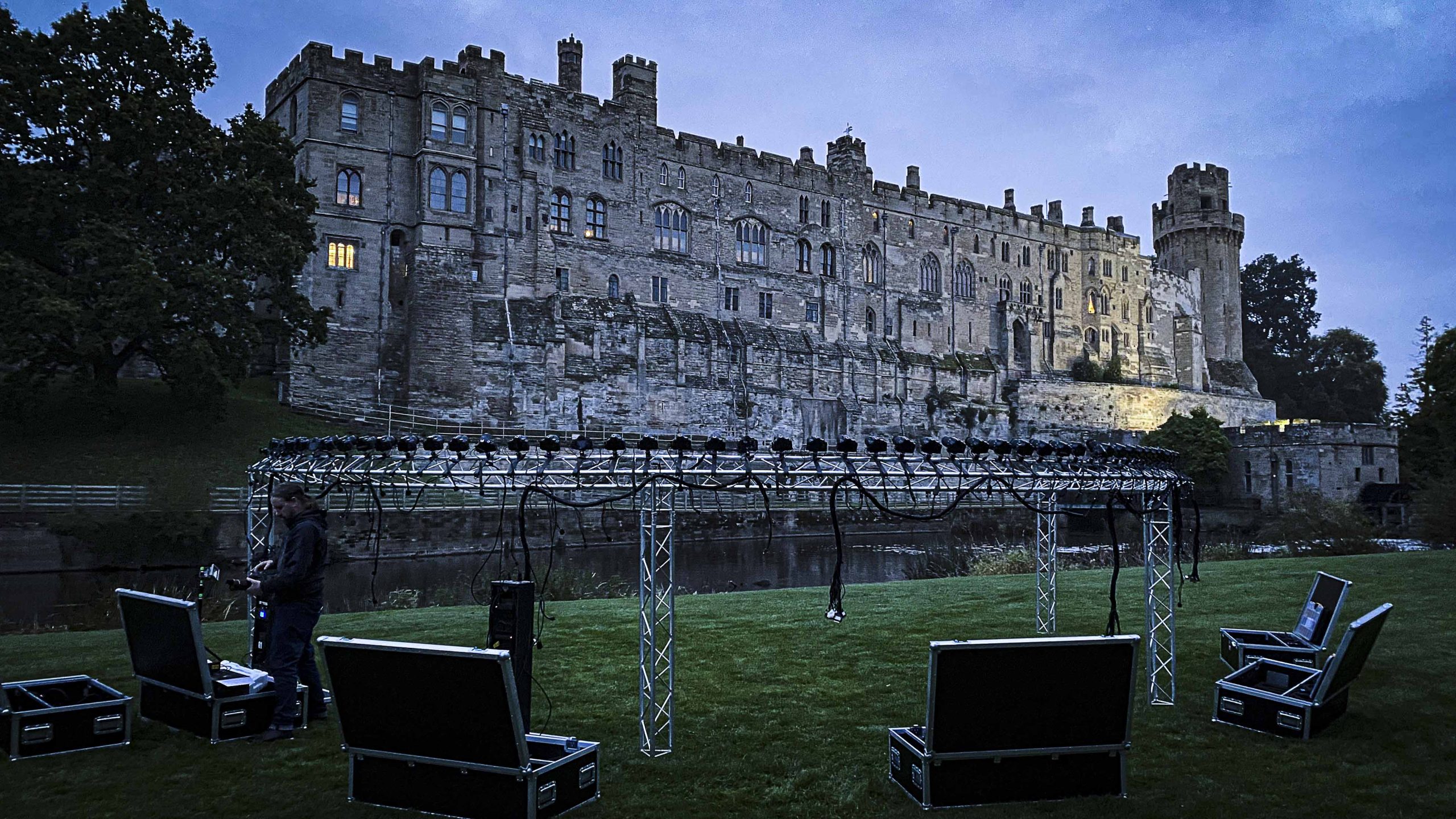
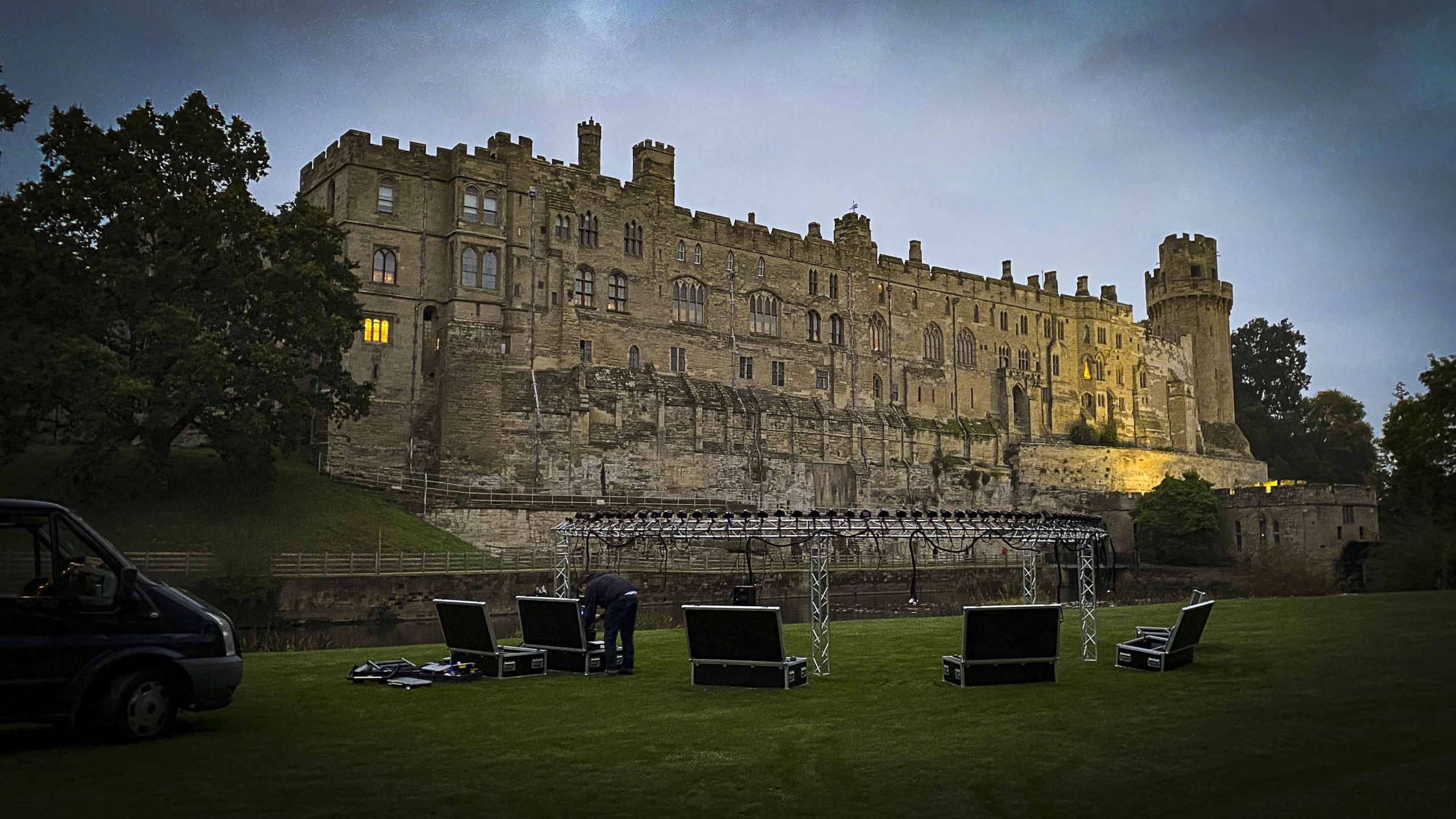
Nikita is believed to be one of the biggest eagles alive today, and has worked for years with her handler Chris O’Donnell. We used 60 DSLRs and two Blackmagic 12Ks to build the sequences the show needed.
The constraints were tight. Setup started in the dark and damp to hit a shooting window of 10 to 11am, with a maximum of about four attempts before the bird loses interest and flies up to the top of the castle. Rain was forecast at any time, and there was no knowing whether an eagle would fly at attack speed into a wall of cameras at all.
She did. We got both key shots first time, triggered by hand rather than motion sensors, which left time for extra shots of Nikita on Steve’s arm. Steve Backshall is as nice off camera as on: he recorded video messages for our kids, then went over and talked to the crowd of families who had come for a castle tour and found a film set.
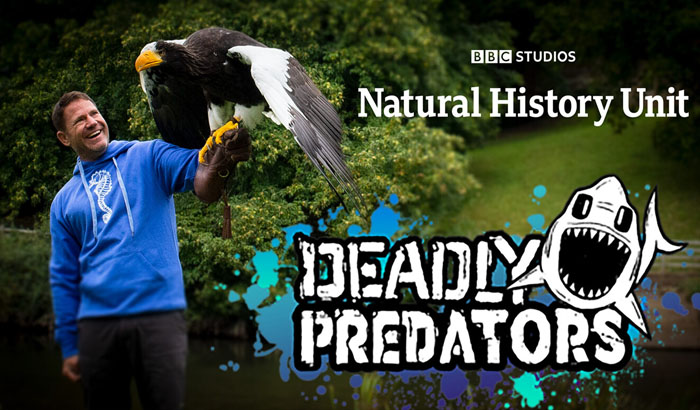
The episode is Deadly Predators, series 1 episode 3, Predator Power, on BBC iPlayer.
More from the build and the shoot. Click any image for a closer look.
Talk to us. We respond within 24 hours.